







What's Happening?
The U.S. Food and Drug Administration (FDA) has announced several drug recalls and warnings, highlighting issues with manufacturing practices and product quality. Notably, Inventia Healthcare Limited has recalled 13,567 bottles of 25 mg chlorthalidone
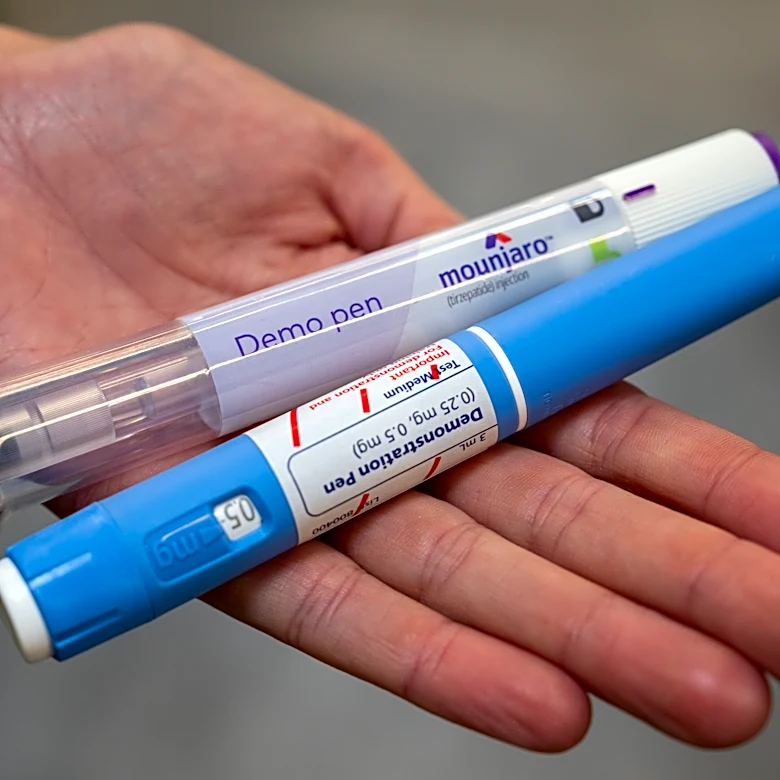
tablets for the second time in three months. This diuretic, used to treat high blood pressure and fluid retention, failed dissolution specifications, meaning the tablets may not dissolve properly and could reduce their effectiveness. Other recalls include Amneal Pharmaceuticals of New York, LLC's exenatide injection (a GLP-1 receptor agonist for type 2 diabetes) due to a defective delivery system where some prefilled pens may contain no medication. Ajanta Pharma USA Inc. recalled fluphenazine hydrochloride tablets (an antipsychotic) due to impurities exceeding allowed limits, potentially affecting shelf life. Nystatin cream by Sun Pharmaceutical Industries Inc. was recalled for failing stability specifications, and Macleods Pharmaceuticals Limited recalled olanzapine tablets (an antipsychotic) for similar impurity issues. Ajanta Pharma USA Inc. also recalled ranolazine extended-release tablets for failing dissolution specifications. These actions are part of the FDA's ongoing efforts to ensure drug safety and efficacy, with recalls categorized by health risk levels.
Why It's Important?
These FDA recalls are critical for public health and safety in the U.S., directly impacting patients relying on these medications. The repeated recall of chlorthalidone tablets, a common blood pressure medication, underscores a persistent manufacturing quality issue that could lead to ineffective treatment for hypertension and edema, potentially resulting in serious health consequences for patients. The recall of exenatide injections, a GLP-1 receptor agonist, due to empty pens, poses a significant risk for individuals with type 2 diabetes who depend on precise dosing for blood glucose control. Ineffective medication could lead to uncontrolled blood sugar levels and associated complications. Furthermore, recalls of antipsychotics like fluphenazine hydrochloride and olanzapine due to impurities or stability issues could compromise the treatment of serious mental health conditions like schizophrenia and bipolar I disorder, affecting patient stability and well-being. These incidents highlight the importance of stringent manufacturing and quality control in the pharmaceutical industry to maintain patient trust and ensure the efficacy and safety of prescribed drugs. The FDA's actions protect consumers from potentially harmful or ineffective products, reinforcing the regulatory framework designed to safeguard public health.
What's Next?
Following these recalls, affected patients are advised to check their medications against the provided lot numbers and expiration dates, or consult their pharmacists to determine if their prescriptions are part of the recalled batches. Pharmaceutical companies involved, such as Inventia Healthcare Limited and Amneal Pharmaceuticals, are expected to investigate the root causes of these manufacturing and quality control failures and implement corrective actions to prevent future occurrences. The FDA will continue to monitor these companies and their products, potentially issuing further warnings or enforcement actions if compliance issues persist. For the broader pharmaceutical industry, these recalls serve as a reminder of the critical importance of adhering to current good manufacturing practices (CGMP) and rigorous quality assurance protocols. Consumers can anticipate ongoing vigilance from the FDA regarding drug safety, with continued updates on recalls and warnings. The agency may also increase inspections or impose stricter guidelines for manufacturers, especially those with a history of violations, to enhance overall drug quality and patient safety.
Beyond the Headlines
The recurring nature of some of these recalls, particularly the chlorthalidone tablets, points to deeper systemic challenges within the global pharmaceutical supply chain and manufacturing oversight. Many of the recalled drugs are manufactured internationally, raising questions about the consistency of quality control standards across different countries and the FDA's ability to effectively monitor overseas facilities. This situation highlights the ethical responsibility of pharmaceutical companies to ensure product integrity, regardless of manufacturing location, and the potential for these issues to erode public trust in generic medications. The economic implications are also significant, as recalls can lead to drug shortages, increased healthcare costs due to treatment failures, and substantial financial penalties for manufacturers. Furthermore, the recalls underscore the need for robust post-market surveillance systems to quickly identify and address drug quality issues. This ongoing scrutiny by the FDA is crucial for maintaining the integrity of the U.S. drug supply and protecting vulnerable patient populations from substandard or ineffective treatments, prompting a broader discussion on global pharmaceutical regulation and accountability.