




What's Happening?
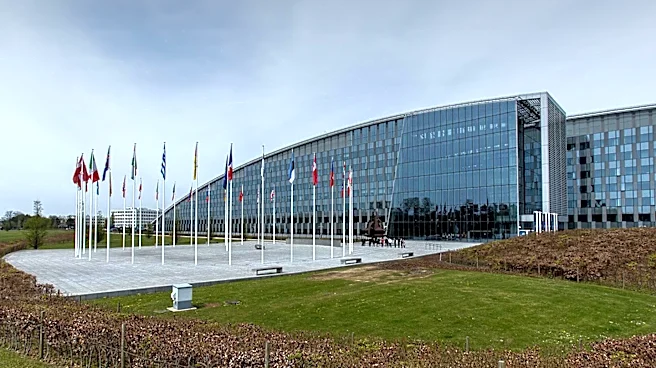
Lucian Kim, an expert at the International Crisis Group, has warned that while Russia is not on the verge of launching autonomous weapon strikes against a NATO member, it could execute unattributable incursions designed to sow division among NATO allies’
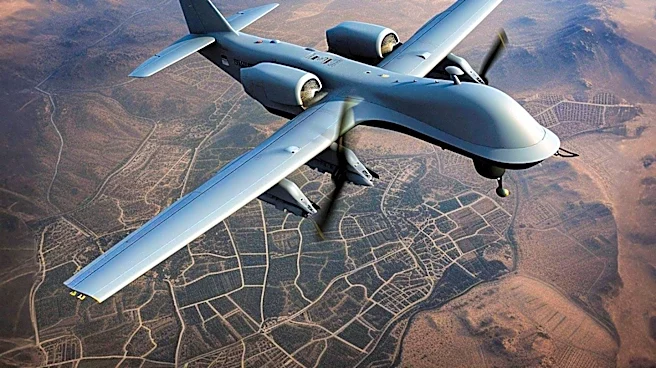
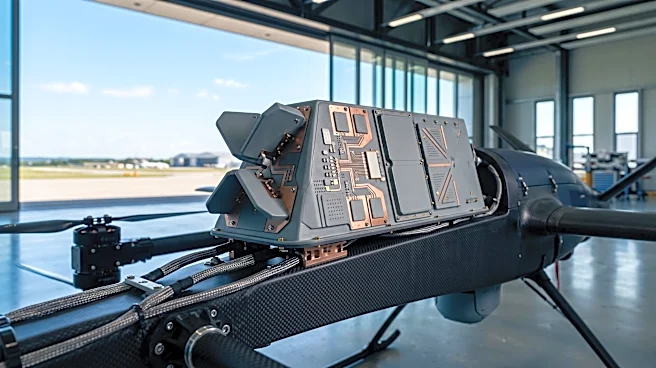
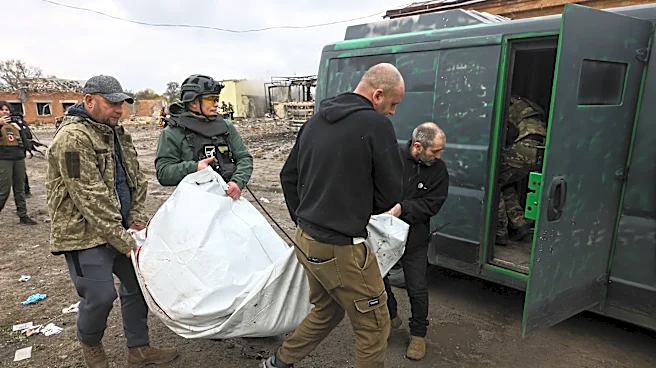
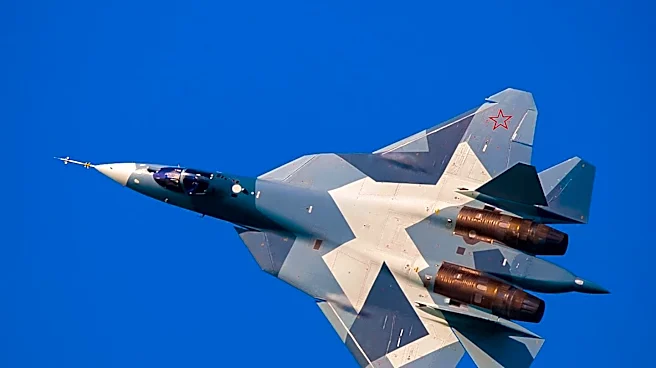
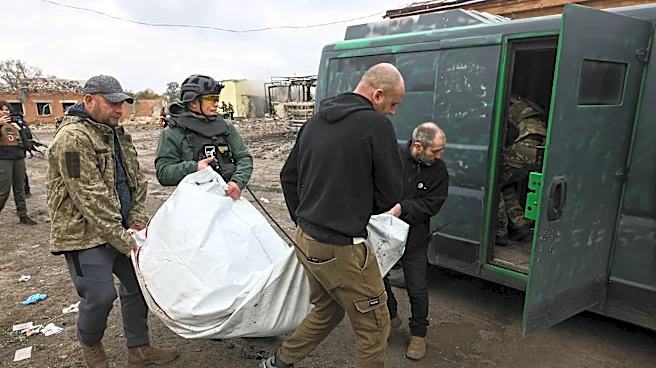
responses. This warning comes as Latvia, holding the monthly rotating presidency of the UN Security Council, focuses on conflict resolution in the era of rapid technological change, particularly concerning artificial intelligence (AI) in warfare. Russia has intensified its drone attacks in Ukraine, predominantly targeting civilian infrastructure, with some drones operating without pilot-control gear and capable of independently identifying and striking targets. These technological shifts are raising security alarms for Baltic states like Latvia and Estonia, which have experienced frequent drone incursions.
Why It's Important?
This development is critically important for U.S. national security and NATO's collective defense strategy. The potential for unattributable AI-guided drone incursions by Russia into NATO airspace represents a 'gray-zone' escalation that could test the alliance's Article 5 commitments without triggering a direct military response. Such incidents could create confusion, sow discord among allies, and undermine NATO's unity. For the U.S., this necessitates a re-evaluation of its defense posture, intelligence capabilities, and diplomatic strategies to counter hybrid threats. The use of AI in warfare also raises ethical and legal questions about accountability and the future of armed conflict, impacting international norms and arms control discussions. The Baltic states' efforts to partner with Ukraine in drone research and production highlight a proactive approach to developing countermeasures and gaining crucial know-how against advanced Russian technology.
What's Next?
Latvia will host a high-level debate on November 24 at the UN Security Council focusing on 'conflict resolution in the era of rapid technological change.' This debate, along with an expert-level working group on technology, peace, and security, aims to address the risks and opportunities presented by emerging technologies like AI. NATO members, including the U.S., will likely continue to enhance their air defense systems and intelligence sharing to detect and respond to potential drone incursions. There will also be increased focus on developing international norms and regulations for autonomous weapons systems to prevent unintended escalation. The collaboration between Baltic states and Ukraine in drone technology will be crucial for developing effective countermeasures against Russia's evolving capabilities.
Beyond the Headlines
The proliferation of AI in military technology, as highlighted by the International Crisis Group expert, signifies a profound shift in the nature of warfare. The ability of drones to operate autonomously and identify targets independently blurs the lines of human control and accountability, raising significant ethical dilemmas. This technological advancement could lead to a new arms race, where nations prioritize AI capabilities to gain a strategic advantage. Furthermore, the 'gray-zone' tactics described by Kim, where attacks are unattributable, challenge traditional notions of sovereignty and international law, making it difficult to assign blame and respond proportionately. This necessitates a re-thinking of international security frameworks and the development of new diplomatic tools to manage the risks associated with AI-driven conflicts, ensuring that technological progress does not outpace ethical and legal safeguards.