






What's Happening?
Reflect Orbital, a California-based startup, has received a license from the U.S. Federal Communications Commission (FCC) to launch its first demonstration satellite, Eärendil-1, which features a large reflective surface designed to direct sunlight. This
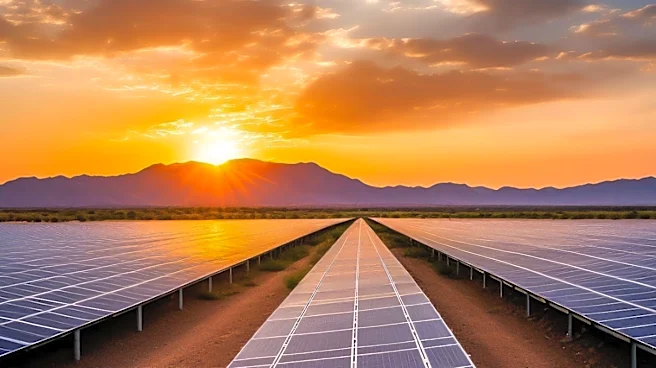
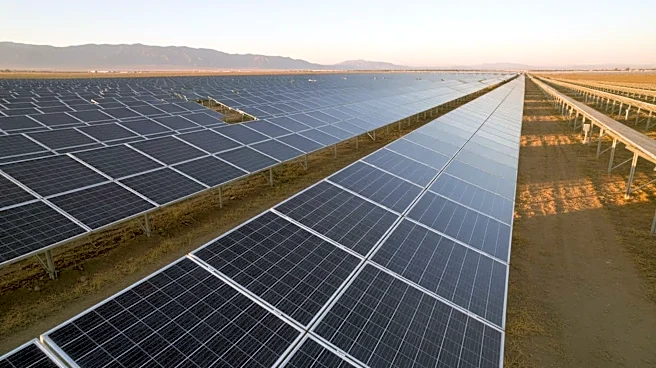
satellite is part of a larger plan to deploy up to 50,000 such mirror-craft in low Earth orbit by 2035. The technology aims to beam reflected sunlight to various customers on Earth, potentially enhancing solar energy production and providing light for various applications. Reflect Orbital's CEO, Ben Nowack, expressed excitement about the potential of this clean technology to transform industries by providing consistent sunlight regardless of geography or time of day.
Why It's Important?
The approval of Reflect Orbital's space mirror project marks a significant step in the development of innovative space-based technologies aimed at addressing energy and lighting challenges on Earth. By potentially increasing the productivity of solar arrays, this technology could reduce reliance on fossil fuels and contribute to cleaner energy solutions. However, the project also raises concerns about light pollution and its impact on wildlife and ecosystems. The company's commitment to minimizing these impacts by designing safety measures and avoiding sensitive areas is crucial to gaining public and regulatory support. The success of this initiative could lead to broader acceptance and implementation of space-based solar technologies.
Beyond the Headlines
The deployment of space mirrors introduces new ethical and environmental considerations, particularly regarding light pollution and its effects on both human and natural environments. The intense light beams, which are significantly brighter than the full moon, could disrupt ecosystems and alter natural behaviors of wildlife. Additionally, the proliferation of satellite megaconstellations poses challenges for astronomers and could contribute to space debris. Reflect Orbital's efforts to address these concerns through careful design and operational strategies will be critical in balancing technological advancement with environmental stewardship.