






What's Happening?
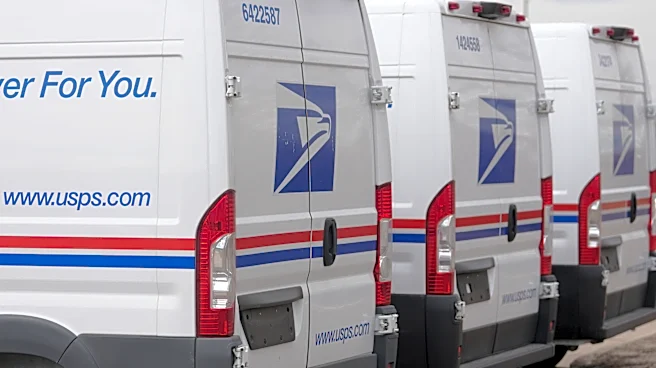
The U.S. Postal Service (USPS) is grappling with financial difficulties despite an increase in package revenue. In the second quarter of fiscal 2026, the USPS reported a $2 billion loss, an improvement from the $3.3 billion loss in the same quarter the previous
year. Package revenue rose by 4.5% year-over-year, yet the USPS continues to struggle with meeting congressionally mandated price and service requirements. Postmaster General David Steiner highlighted the ongoing financial crisis, emphasizing that the current operational model is unsustainable. The USPS, which was restructured in 1970 to operate more like a business while providing universal service, faces challenges due to declining First-Class Mail volumes and increasing delivery points.
Why It's Important?
The financial struggles of the USPS have significant implications for U.S. commerce and public services. As the USPS evolves into a parcel and logistics business, it plays a crucial role in the national economy, especially with the rise of ecommerce. However, the inability to cover costs through package delivery alone raises concerns about the sustainability of universal mail service. The USPS's financial health affects millions of Americans, particularly in rural areas where alternative delivery services are limited. The situation also impacts businesses that rely on USPS's last-mile delivery infrastructure. The need for congressional intervention, either through operational flexibility or subsidies, highlights the broader debate on public service funding and privatization.
What's Next?
The USPS is exploring options to address its financial challenges, including potential operational changes and seeking congressional support. Postmaster General Steiner has suggested that Congress could grant the USPS more flexibility in operations or provide subsidies for universal service. This could involve closing unprofitable post offices and adjusting pricing strategies. The USPS also faces competitive pressures from private carriers like Amazon, UPS, and FedEx, which could influence its strategic decisions. The outcome of these deliberations will be crucial in determining the future of the USPS and its ability to continue providing essential services across the country.