






What's Happening?
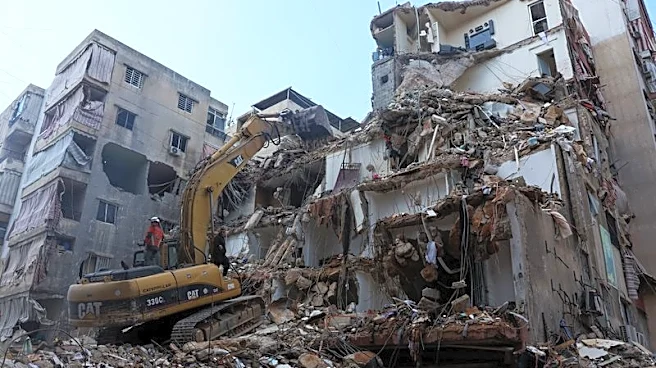
The ongoing conflict in the Middle East has led to a significant disruption in the supply chain for fluoride, a key chemical used in U.S. drinking water systems. The city of Baltimore, among others, has been forced to reduce the fluoride levels in its
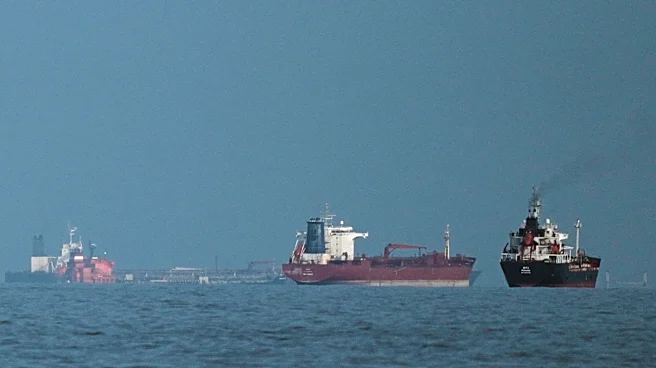
water supply from 0.7 to 0.4 milligrams per liter. This reduction is due to a decrease in deliveries of hydrofluorosilicic acid, primarily sourced from Israel. The disruption is attributed to workforce challenges in Israel, where many employees have been called into military service, halting production at key facilities. Dan Hartnett from the Association of Metropolitan Water Agencies notes that while the issue is not yet widespread, there is concern that prolonged conflict could exacerbate the situation.
Why It's Important?
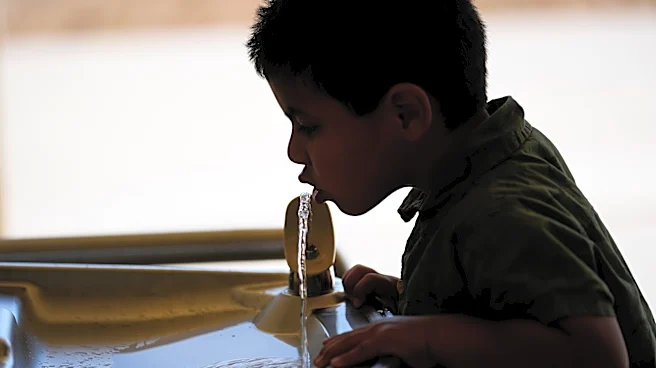
Fluoride is crucial for preventing cavities and maintaining dental health, making its supply a public health concern. The reduction in fluoride levels could potentially impact dental health, particularly in communities that rely heavily on treated water. The situation underscores the vulnerability of global supply chains to geopolitical conflicts, highlighting the need for diversified sourcing strategies. Water utilities across the U.S. may need to prepare for similar disruptions if the conflict continues, potentially affecting millions of residents and increasing operational challenges for water management agencies.
What's Next?
Water utilities are currently managing their existing supplies to mitigate the impact of reduced fluoride deliveries. Agencies like WSSC Water are attempting to stretch their supplies and maintain some level of fluoride treatment. However, the timeline for resolving the supply chain issues remains uncertain, dependent on the duration of the Middle East conflict. Utilities may need to explore alternative sources or adjust treatment processes if the situation persists, while public health officials monitor the potential impacts on community dental health.