




What's Happening?
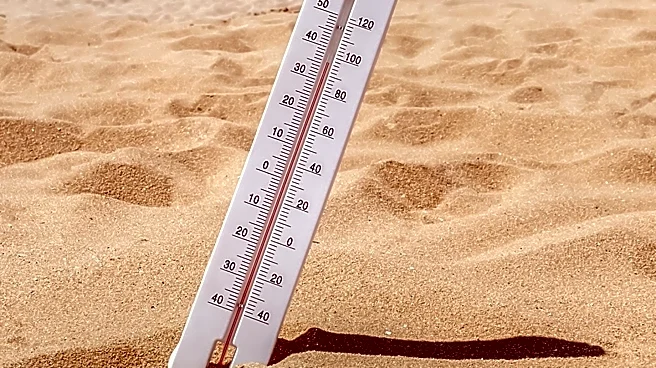
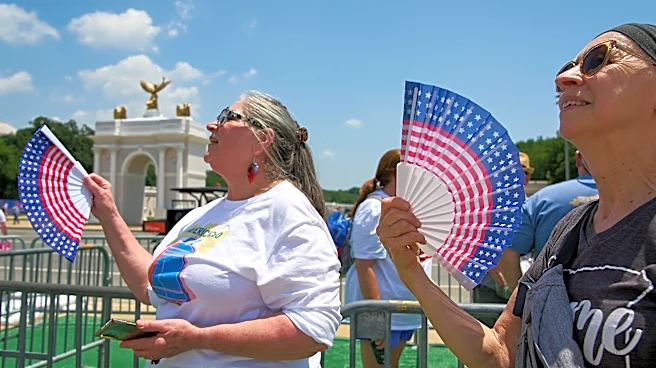
The National Oceanic and Atmospheric Administration (NOAA) has issued warnings about a significant heatwave expected to impact the central and eastern United States over the July 4th weekend. This heatwave, driven by a persistent heat dome, is predicted
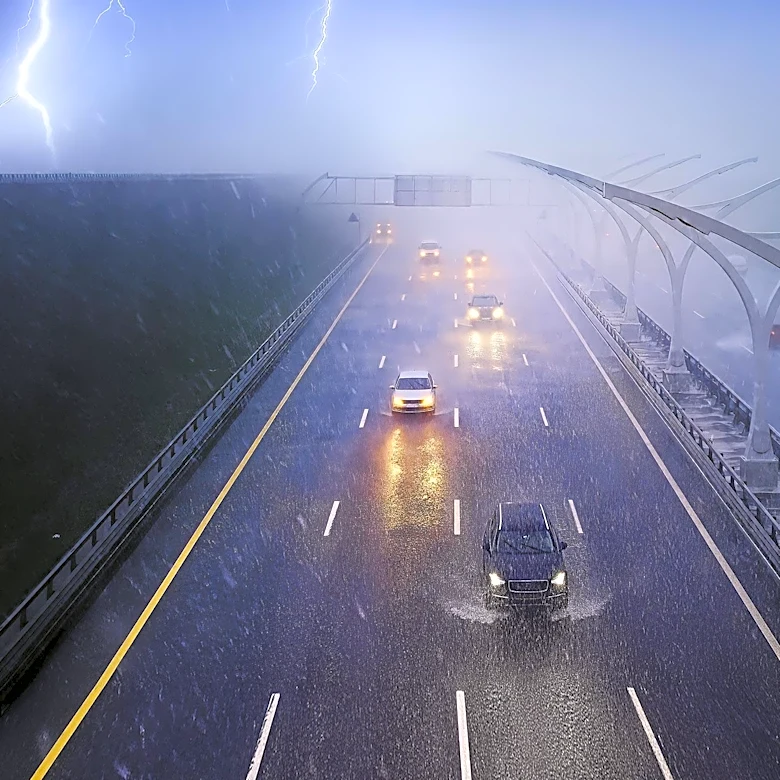
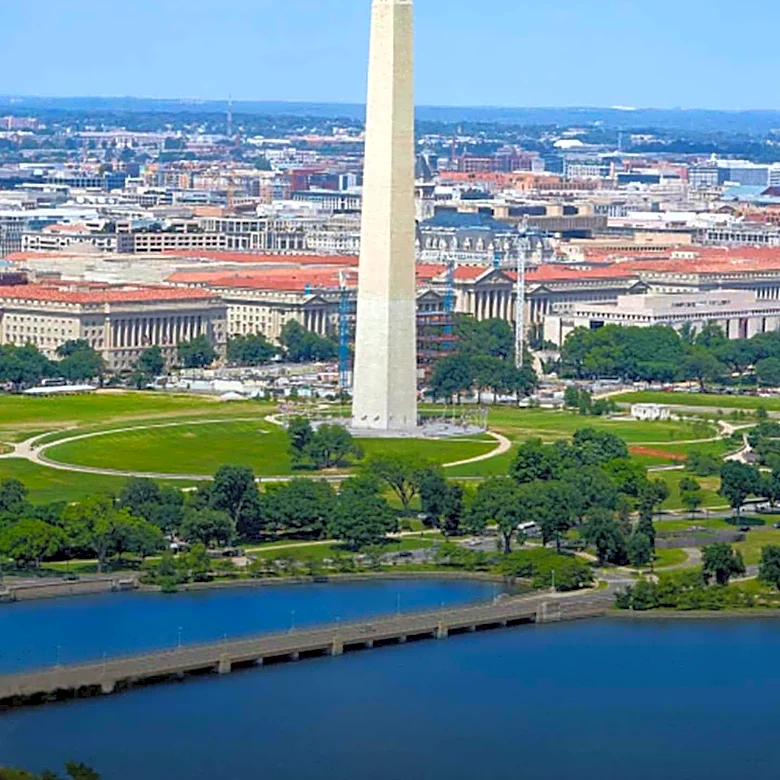
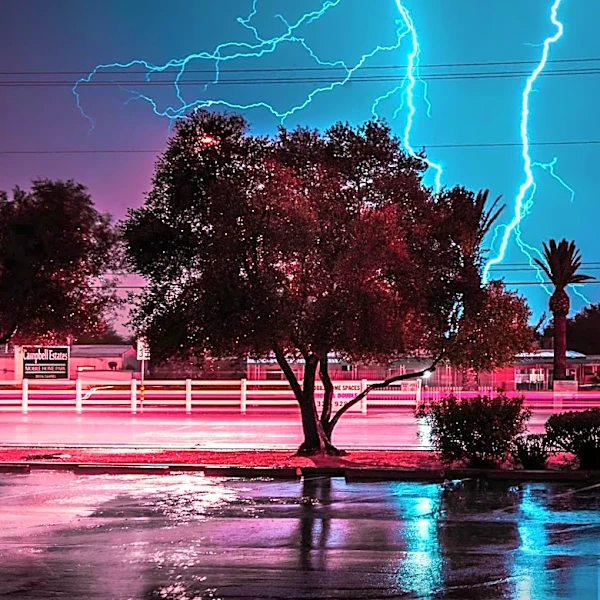
to cause temperatures to soar 10 to 20 degrees above average, with heat index values reaching between 105 to 115 degrees in regions such as the mid-South, Southeast, and Mid-Atlantic. The heatwave coincides with Independence Day celebrations, potentially affecting outdoor activities like parades, cookouts, and fireworks displays. Cities such as Charlotte, Washington, D.C., and Philadelphia are expected to experience highs in the upper 90s to near 100 degrees, with humidity making it feel even hotter. Additionally, thunderstorms are forecasted to occur across the eastern two-thirds of the country, potentially disrupting holiday events.
Why It's Important?
The timing of this heatwave is critical as it coincides with one of the busiest holiday weekends in the U.S., when millions of Americans participate in outdoor activities. The extreme temperatures pose health risks, particularly to vulnerable populations, and could lead to heat-related illnesses. The potential for thunderstorms adds another layer of complexity, as it could disrupt planned events and pose safety hazards. The heatwave also highlights broader concerns about climate patterns and the increasing frequency of extreme weather events, which have significant implications for public health, infrastructure, and emergency preparedness.
What's Next?
Following the holiday weekend, NOAA anticipates that cooler air will begin to move from the Midwest into the eastern U.S. by Monday, providing some relief from the intense heat. However, the immediate focus remains on managing the impacts of the heatwave and ensuring public safety during the holiday celebrations. Local authorities and event organizers may need to implement contingency plans to address the potential for heat-related health issues and weather disruptions.