


What's Happening?
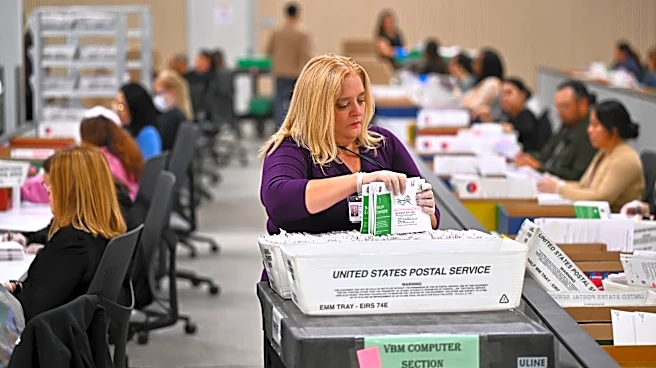
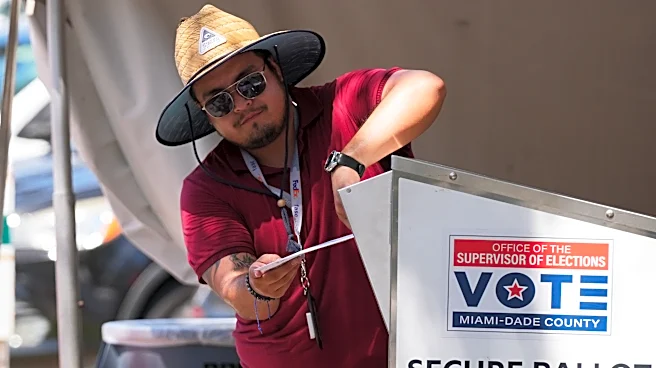
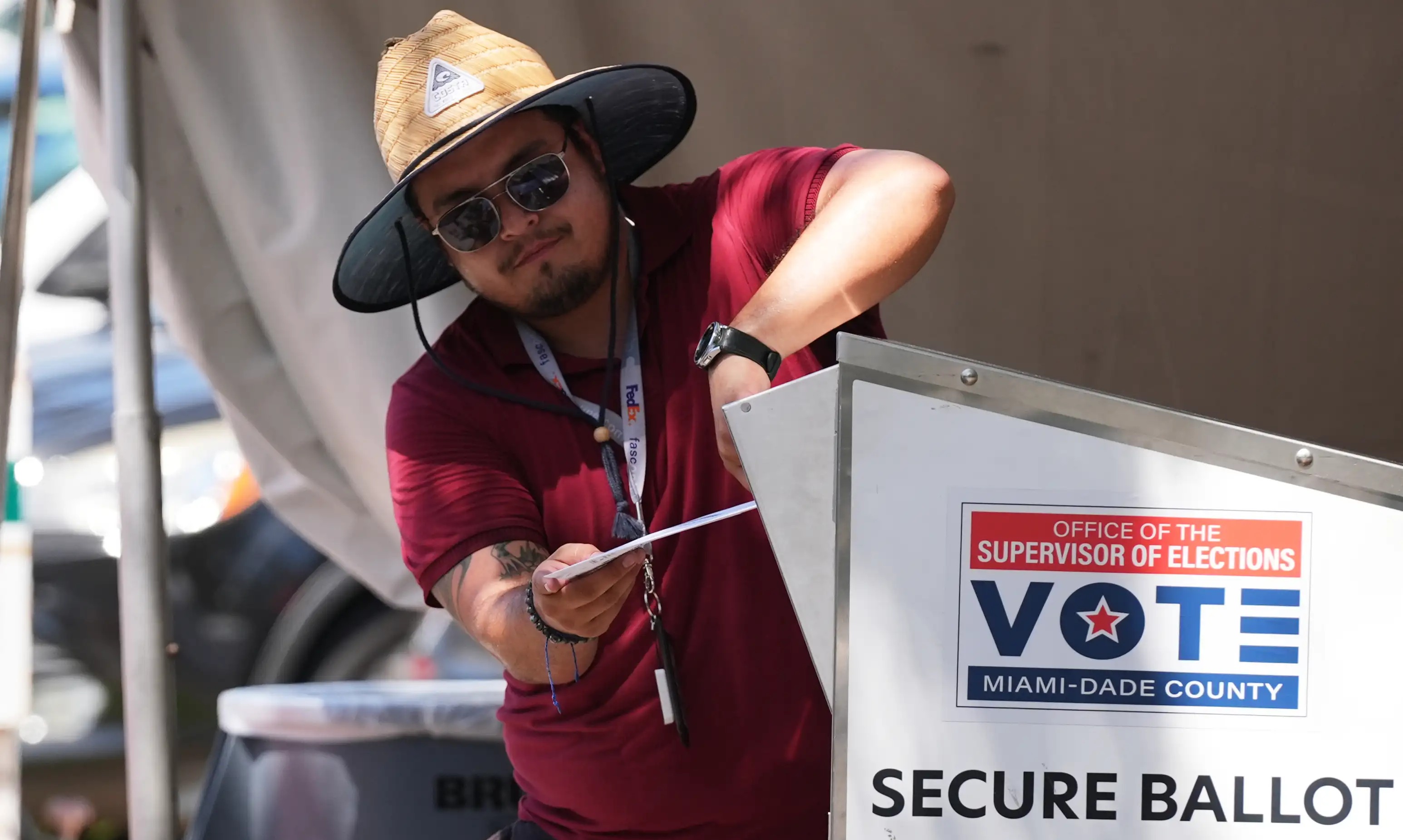
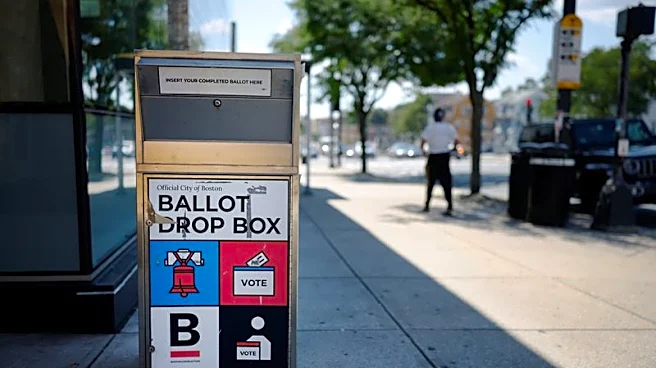
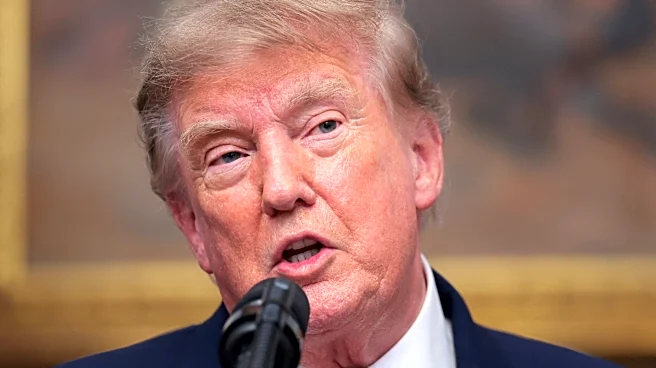
A recent U.S. Supreme Court ruling has cast uncertainty over the future of universal vote-by-mail in Vermont ahead of the midterm elections. Earlier this year, President Trump issued an executive order aimed at restricting vote-by-mail, citing concerns
about voter fraud. Vermont, along with 22 other states, filed a lawsuit challenging this order, arguing it was illegal. The Supreme Court's recent decision lifted an injunction that was in place, allowing President Trump's executive order to proceed. While this was a procedural ruling and did not directly rule on the legality of the executive order, it has raised questions about states' rights to administer their own elections. Vermont is one of 23 states that send ballots to all registered voters for general elections.
Why It's Important?
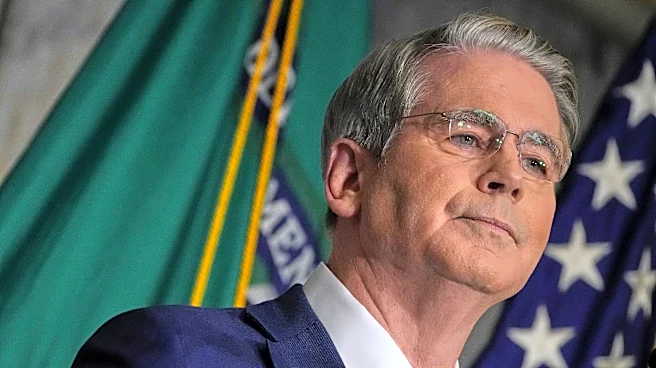
This Supreme Court ruling is highly significant for Vermont and other states that rely on universal vote-by-mail systems. The ability of the federal government to influence state election procedures, particularly regarding mail-in voting, has profound implications for voter access and the integrity of the electoral process. Secretary of State Sarah Copeland Hanzas, D-Vt., emphasized that the executive order attempts to dictate to states who can receive a ballot, which she views as a reversal of established state authority. For voters, this uncertainty could lead to confusion regarding how they will cast their ballots in the upcoming midterm elections. Republican Gov. Phil Scott, a proponent of mail-in ballots, has also expressed concerns about potential voter confusion. The outcome of this legal challenge could set a precedent for federal-state relations in election administration.
What's Next?
Despite the Supreme Court's procedural ruling, Vermont's municipal clerks are continuing to prepare for the general election in November, expecting to utilize the universal vote-by-mail format that has been in use. However, the situation remains fluid, as other lawsuits could still emerge or progress, potentially slowing or blocking changes before the midterm elections. The legal battle over the executive order's legality is ongoing, and a definitive ruling on its constitutionality could still occur. Political leaders and election officials in Vermont will closely monitor these developments, adapting their plans as necessary to ensure that elections are conducted smoothly and securely. The focus will remain on informing voters and ensuring their ability to participate in the democratic process.
Beyond the Headlines
This legal dispute over vote-by-mail systems delves into fundamental questions about federalism and states' rights in the U.S. electoral system. The debate over mail-in voting often extends beyond procedural concerns to broader political narratives about voter access, election security, and partisan advantage. President Trump's criticisms of mail-in voting, often linked to claims of fraud, highlight deep divisions in public trust regarding election mechanisms. Conversely, proponents argue that universal mail-in voting enhances democratic participation, especially for those with mobility issues, busy schedules, or living in remote areas. The ongoing legal and political contestation reflects a critical juncture in how American elections are administered, with potential long-term impacts on voter turnout, election integrity perceptions, and the balance of power between state and federal governments.