






What's Happening?
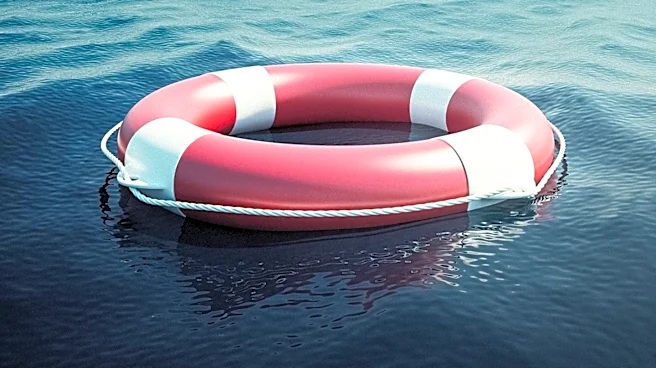
Southwest Florida, a prominent boating destination, experiences a high volume of boating accidents, with falling overboard identified as a significant risk factor for hypothermia. Passengers who fall into the water face dangers including drowning, propeller
injuries, and hypothermia. These incidents are frequently attributed to operator negligence, a lack of proper safety equipment on board, or the failure to adequately warn passengers about potential hazards. Florida consistently leads the nation in both registered recreational vessels and boating accidents, with waterways in Collier, Lee, and Charlotte counties being particularly active. Other common types of accidents include vessel collisions, passenger injuries aboard a vessel due to sudden movements, propeller strikes, personal watercraft accidents, and alcohol-related incidents, which are a leading cause of fatal boating accidents.
Why It's Important?
The prevalence of boating accidents and the associated risk of hypothermia in Southwest Florida carry significant implications for public safety, tourism, and the legal landscape. The high number of incidents places a strain on emergency services and healthcare facilities, particularly given the severe injuries that can result. For the tourism industry, a high accident rate could deter visitors, impacting the local economy. Legally, these accidents often involve complex liability issues, as Florida law imposes specific duties on boat operators, and negligence can extend to vessel owners, charter companies, marinas, and even manufacturers. The fact that Florida does not mandate liability insurance for boat owners further complicates recovery for victims, making it crucial for injured parties to understand their legal options and potential sources of compensation, including homeowner's or umbrella policies.
What's Next?
Following a boating accident in Southwest Florida, immediate steps for victims include ensuring safety, calling for help (U.S. Coast Guard or 911), reporting the incident to the Florida Fish and Wildlife Conservation Commission, and thoroughly documenting the scene with photographs and witness information. Seeking immediate medical attention is crucial, even for seemingly minor injuries, as adrenaline can mask serious conditions. Preserving evidence, such as not repairing the vessel before inspection, is also vital. Victims are advised to contact an attorney before speaking with any insurance company to protect their rights and ensure all potential sources of recovery are identified. Law enforcement and regulatory bodies may increase patrols or implement new safety campaigns to address operator negligence and BUI, aiming to reduce accident rates in the region's busy waterways.
Beyond the Headlines
The recurring issue of boating accidents in Southwest Florida, particularly those involving hypothermia from falling overboard, points to deeper societal and cultural aspects of recreational activities. It highlights a potential gap in public awareness regarding boating safety protocols and the severe consequences of negligence. The emphasis on operator responsibility and the legal ramifications underscore the importance of education and licensing for boaters, potentially leading to calls for stricter regulations or more comprehensive safety courses. Furthermore, the complexity of insurance coverage in Florida boating accidents reveals a systemic challenge in ensuring adequate protection for victims, prompting discussions about mandatory boating insurance or enhanced legal frameworks to safeguard those injured in these incidents. The interplay between individual responsibility, regulatory oversight, and the inherent risks of water-based recreation forms a critical ongoing dialogue.