







What's Happening?
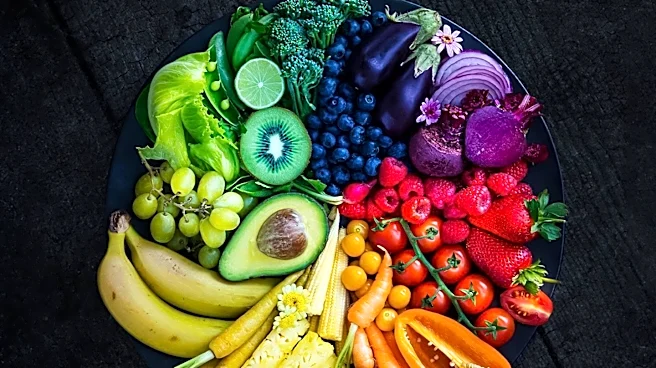
Dr. Drew Ramsey, an assistant clinical professor in Columbia’s department of psychiatry, advocates for a 'rainbow-colored diet' to enhance mental health. This approach emphasizes a variety of colorful, plant-based foods rich in protein, healthy fats,
and fiber. Specific recommendations include tofu, edamame, beans, lentils, Greek yogurt, and seafood, which are noted for providing essential nutrients crucial for optimal brain function. While individual foods like kale have been highlighted for their brain-health benefits, the broader message is to adopt a holistic dietary pattern rather than focusing on single 'brain foods.' The Mediterranean diet, known for its quality proteins, carbohydrates, fats, and dietary fiber, is also recognized for its positive impact on both cardiovascular and brain health. This dietary philosophy moves beyond simply avoiding unhealthy foods to actively incorporating nutrient-dense options.
Why It's Important?
The emphasis on brain-health diet interventions is important for U.S. society as it addresses a growing public interest in mental well-being and preventative health through nutrition. With mental health issues on the rise, particularly since 2007, and many parents seeking alternatives to medication, nutritional psychiatry offers a promising avenue. By promoting a diverse, plant-dominant diet, this approach could lead to improved cognitive function, reduced risks of depression and anxiety, and better overall mental resilience across various age groups. The focus on accessible foods like beans, lentils, and Greek yogurt makes these interventions practical for a wider population, potentially reducing healthcare burdens associated with mental health conditions. Furthermore, by highlighting the gut-brain connection, it underscores the interconnectedness of physical and mental health, encouraging a more integrated approach to wellness.
What's Next?
The field of nutritional psychiatry is gaining traction, moving beyond its nascent stages into a more prominent role in health discussions. Future developments are likely to include more widespread adoption of dietary guidelines that incorporate brain-health principles into mainstream medical advice. There may be increased research into the specific mechanisms by which certain nutrients and dietary patterns influence brain function and mental health. Educational initiatives for both healthcare professionals and the public are expected to expand, aiming to demystify nutritional science and provide practical guidance for implementing brain-healthy diets. As awareness grows, there could also be a shift in food industry practices, with a greater demand for products that align with these nutritional recommendations, potentially leading to more accessible and affordable brain-healthy food options.
Beyond the Headlines
Beyond the immediate health benefits, the promotion of brain-health diets carries deeper implications for public health policy and cultural norms around food. It challenges the traditional view of mental health treatment as solely reliant on pharmaceuticals, advocating for a more holistic and preventative approach. This shift could empower individuals to take a more active role in managing their mental well-being through daily choices. Ethically, it raises questions about food accessibility and equity, as healthy, diverse diets may not be equally available or affordable for all socioeconomic groups. Culturally, it could foster a greater appreciation for diverse culinary traditions that naturally incorporate many of these brain-healthy components. The long-term impact could be a societal re-evaluation of food's role, moving it from mere sustenance or indulgence to a fundamental pillar of mental and physical health, influencing everything from school lunch programs to national dietary guidelines.