






What's Happening?
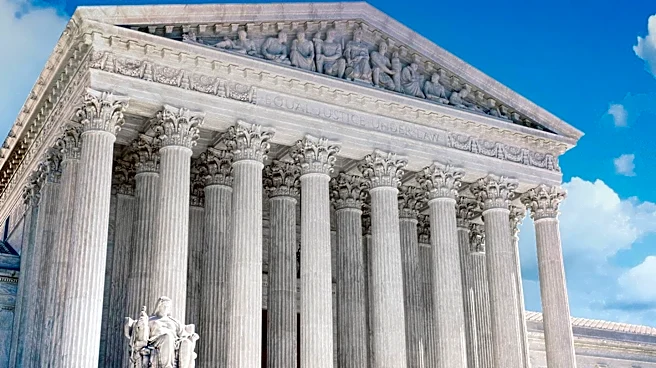
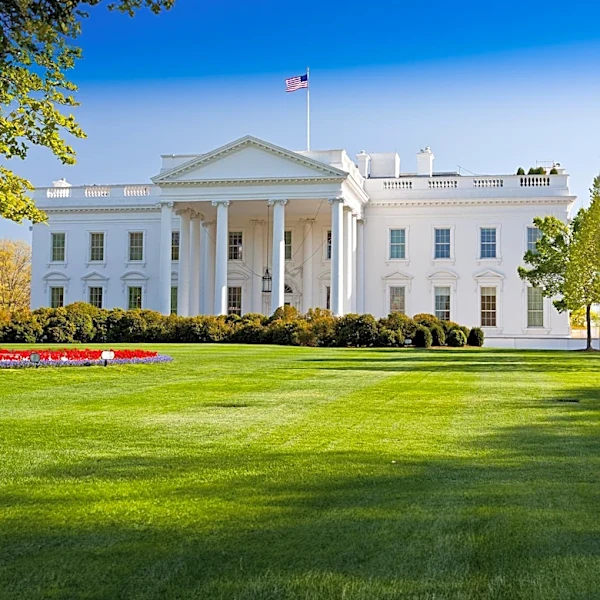
The Trump administration has expanded the implications of the Supreme Court's ruling in Students for Fair Admission v. Harvard, which ended affirmative action in college admissions. This ruling is now being used to challenge diversity, equity, and inclusion
(DEI) programs across higher education. The administration has issued guidance suggesting that any racial or ethnic preferences in higher education could violate civil rights laws, potentially affecting funding for Hispanic-serving institutions and race-based scholarships. This has led to investigations and changes in DEI practices at many institutions, despite a judge invalidating a related Dear Colleague letter.
Why It's Important?
The administration's broad application of the Supreme Court ruling could significantly impact higher education institutions, particularly those that rely on federal funding. Colleges found in violation of civil rights laws risk losing access to federal student loans, which could have severe financial consequences. The chilling effect on DEI programs may also hinder efforts to promote diversity and inclusion on campuses, affecting underrepresented student populations. The legal and financial pressures on institutions highlight the complex interplay between federal policy and educational practices.
What's Next?
Legal scholars suggest that only Congress can limit the administration's use of the Supreme Court ruling, but legislative action is unlikely in the near term due to political gridlock. Institutions may continue to face legal challenges and financial risks as they navigate the evolving regulatory landscape. The administration's approach may also extend to other areas, such as gender policies, following recent Supreme Court decisions on transgender athletes. This could further complicate compliance efforts for educational institutions.