


What's Happening?
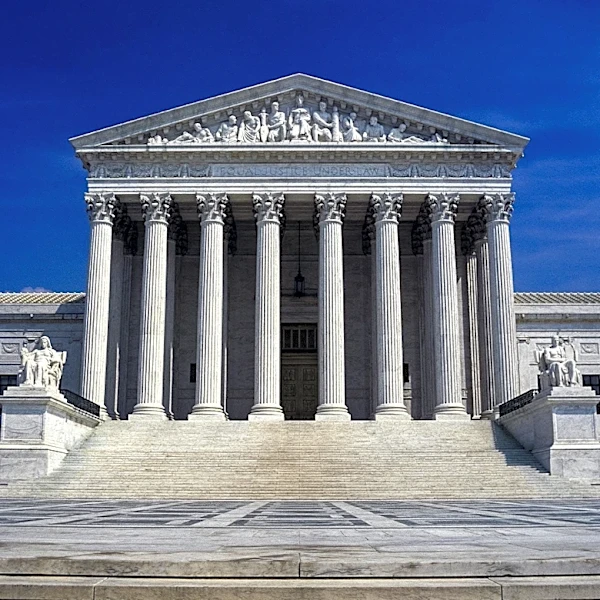
A federal appeals court in New York has overturned a previous decision that ordered the release of Mohsen Mahdawi, a pro-Palestinian activist and Columbia University graduate. The court's ruling allows the Trump administration to continue its efforts
to deport Mahdawi, who was arrested during a citizenship interview in April 2025. The appeals court found that the lower court judge had overstepped by intervening before the immigration process was complete. Mahdawi, who was born in a refugee camp in the Israeli-occupied West Bank, has been a legal permanent resident of the U.S. since 2015. His arrest was part of broader efforts by the Trump administration to expel noncitizens critical of Israel. The American Civil Liberties Union, representing Mahdawi, argues that the government cannot detain or deport him while the appeals process is ongoing.
Why It's Important?
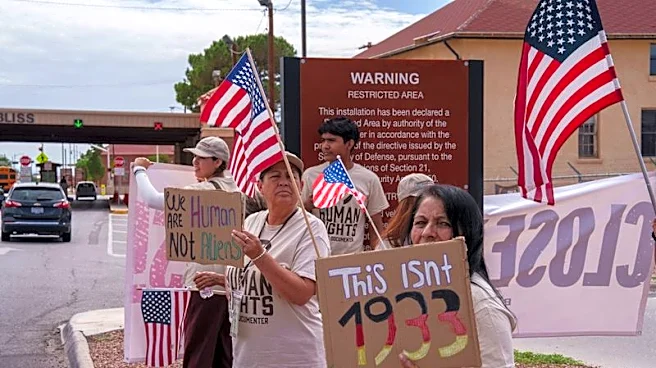
This decision underscores the ongoing tension between U.S. immigration policies and free speech rights, particularly concerning activists critical of foreign governments. The ruling may set a precedent for how similar cases are handled, potentially affecting other activists and noncitizens facing deportation for political reasons. It highlights the power of the federal government to influence immigration court proceedings and raises concerns about the potential for political dissent to be stifled through legal means. The case also reflects broader debates about the balance between national security and individual rights, especially in the context of U.S. foreign policy and its implications for domestic immigration enforcement.
What's Next?
Mahdawi plans to appeal the order of removal issued by the Board of Immigration Appeals. The case may continue to draw attention from civil rights organizations and could lead to further legal challenges regarding the treatment of activists in the immigration system. The Department of Homeland Security's response to the ruling and its future actions in similar cases will be closely watched. Additionally, the outcome of Mahdawi's case could influence public opinion and policy discussions on immigration and free speech.