



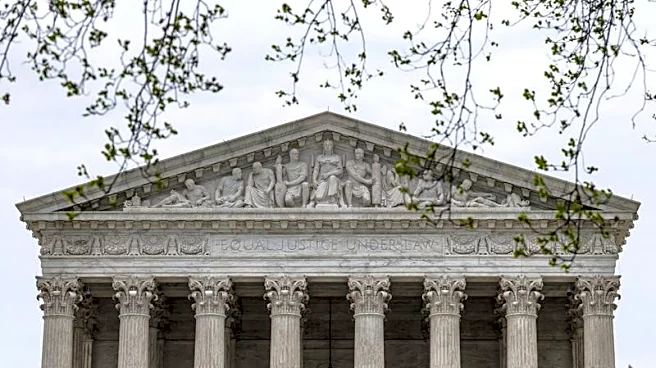
What's Happening?
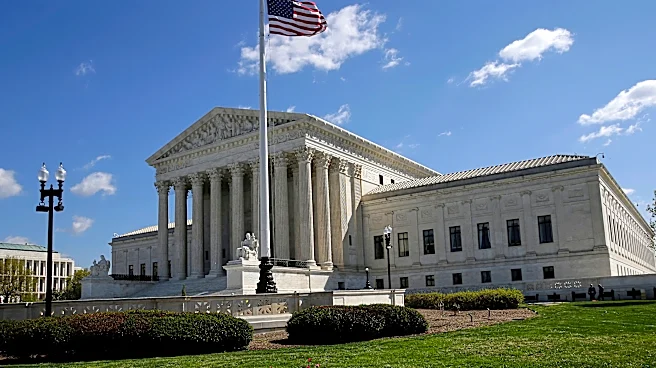
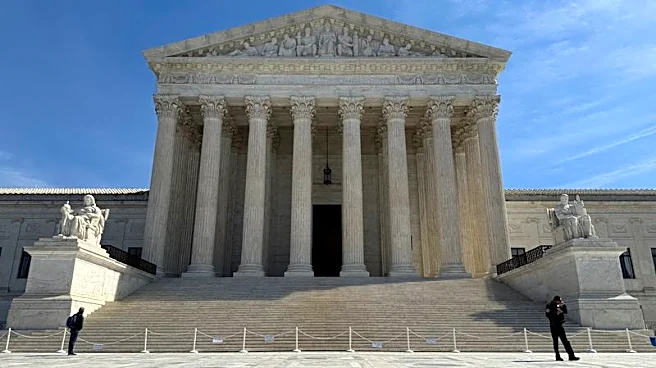
The U.S. Supreme Court has further narrowed the Voting Rights Act, particularly affecting Section 2, which has been a tool for challenging racially discriminatory electoral maps. In a 6-3 decision, the court's conservative majority adopted a stricter
standard for claims under this provision, effectively limiting its application. This decision is part of a series of rulings under Chief Justice John Roberts that have progressively weakened the Act, which was originally designed to combat racial discrimination in voting.
Why It's Important?
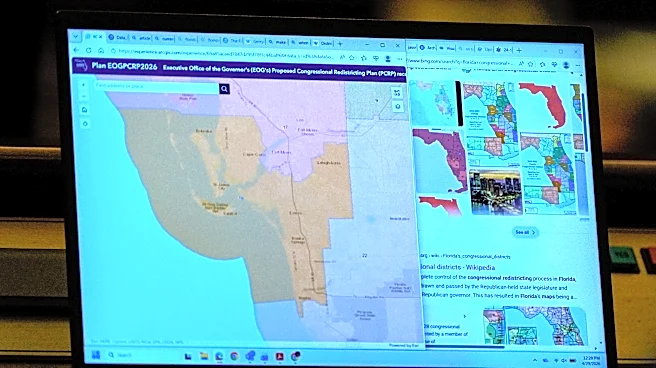
This ruling has significant implications for voting rights and electoral fairness in the United States. By narrowing the scope of Section 2, the decision could make it more difficult to challenge electoral maps that may disenfranchise minority voters. This could lead to increased partisan gerrymandering, as states may feel emboldened to redraw districts without fear of federal intervention. The decision also highlights ongoing tensions between federal oversight and state control over electoral processes, potentially impacting future elections and the representation of minority groups in government.
What's Next?
The ruling is likely to prompt a wave of legal challenges and legislative responses. States may attempt to redraw electoral maps in ways that could disadvantage minority voters, while civil rights groups and other stakeholders may seek new legal avenues to protect voting rights. Additionally, the decision could influence upcoming elections, as states adjust their electoral strategies in light of the new legal landscape. The ruling may also spur calls for legislative action at the federal level to restore or strengthen voting rights protections.