
What's Happening?
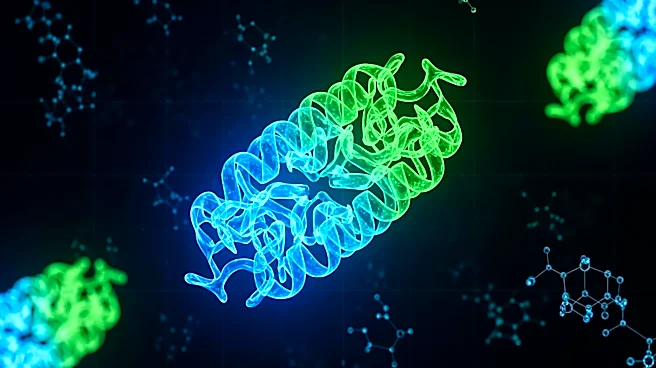
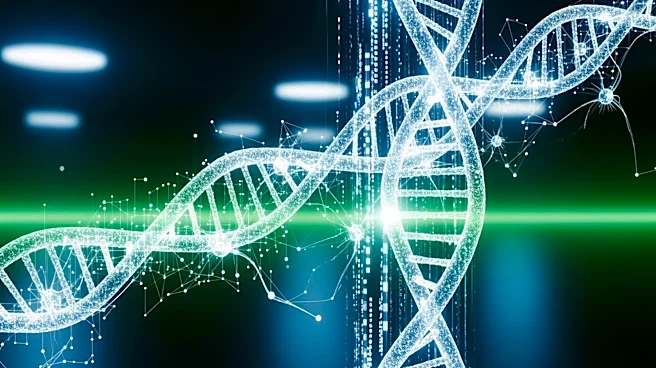
The convergence of AI and biotechnology is creating a powerful synergy, enabling the analysis of biological data at unprecedented scales. This development is transforming the life sciences industry by
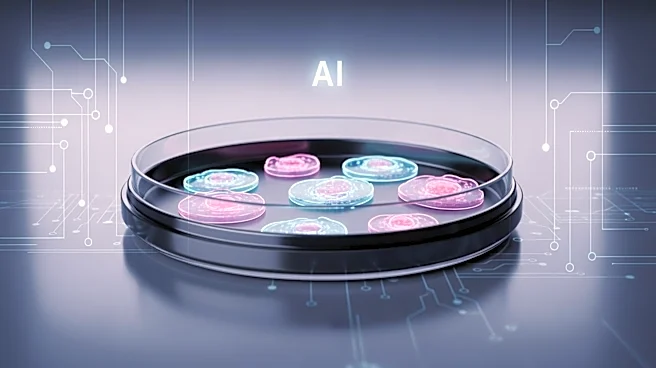
allowing researchers to treat biology as a language that can be read, interpreted, and predicted. AI is being used to identify biological markers of disease, group patients more effectively, and design smarter clinical trials. Companies like Pangea Biomed and Algocell are leveraging AI to gain insights from pathology slides and model cell behavior, respectively. This approach is helping researchers make better decisions earlier, saving time, cost, and effort.
Why It's Important?
The integration of AI in life sciences is reshaping the industry by accelerating research and development processes. By enabling scientists to focus on the most promising drug targets and match treatments to the right patients, AI is improving the efficiency and effectiveness of clinical trials. This shift is also changing the skill set required in the life sciences workforce, with a growing need for scientists who can work with data and understand AI. The ability to combine multiple layers of biological data is leading to more accurate predictions and insights, ultimately enhancing patient care and outcomes.
What's Next?
As AI continues to evolve, it is expected to move beyond pattern recognition to understanding cause-and-effect relationships in biology. This advancement will enable researchers to identify the underlying drivers of biological processes, leading to more targeted and effective treatments. The connection between digital biology and manufacturing is also expected to strengthen, with AI-designed biological systems being quickly built and tested in the lab. However, challenges such as reliability, hidden biases, and safety must be addressed to ensure the responsible use of AI in life sciences.