






What's Happening?
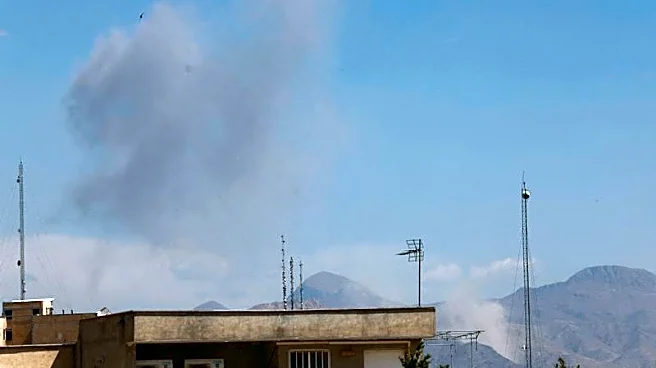
Iranian officials have expressed dissatisfaction with the current ceasefire and negotiations with the U.S., labeling them as 'unreasonable.' They accuse the U.S. of violating three of Tehran's ten conditions for ending the conflict. The ceasefire, intended
to halt hostilities and pave the way for diplomatic talks, is under strain due to continued military actions in the region. Iran's demands include the lifting of sanctions and recognition of its nuclear rights, which the U.S. has been reluctant to fully accept. The situation remains tense, with both sides needing to address significant trust issues to move forward.
Why It's Important?
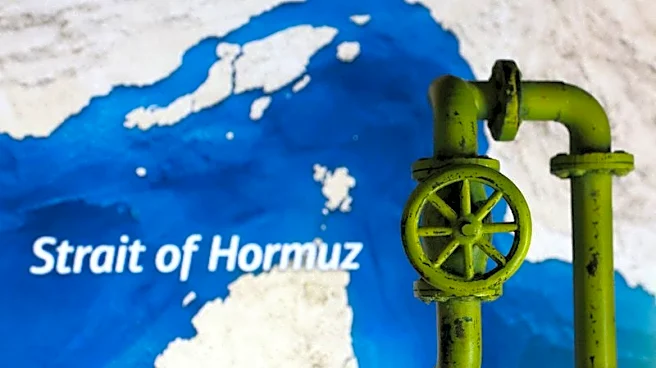
The fragile ceasefire and ongoing negotiations are pivotal for regional stability and international security. The outcome could influence global oil prices and energy security, given the strategic importance of the Strait of Hormuz. A successful agreement could lead to reduced tensions and a more stable Middle East, benefiting global trade and security. However, failure to reach a consensus could escalate conflicts, impacting international relations and economic conditions. The U.S. faces the challenge of balancing its strategic interests with diplomatic efforts to prevent further escalation.
What's Next?
The next steps involve continued diplomatic engagement, with both sides needing to show flexibility to reach a viable agreement. The U.S. may need to consider easing some sanctions to facilitate progress. Monitoring the situation in the Strait of Hormuz will be crucial, as any disruptions could have significant economic repercussions. The involvement of international actors, such as the European Union, could help mediate and ensure compliance with any future agreements. The situation remains fluid, with potential for both resolution and further conflict.