



What's Happening?
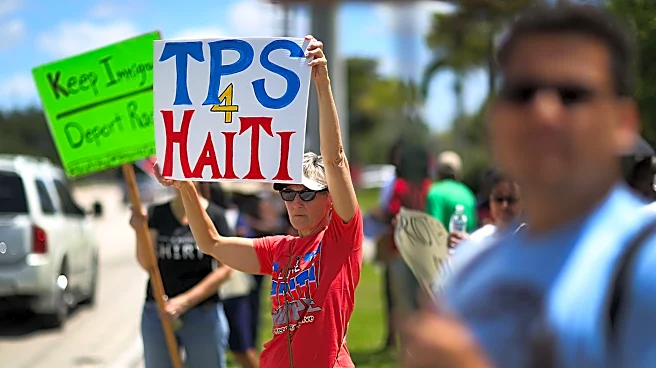
Republican Congressman Carlos Giménez has expressed concern over the termination of Temporary Protected Status (TPS) for Haitian immigrants, highlighting the ongoing political instability in Haiti. The TPS program, established in 1990, has allowed over 300,000
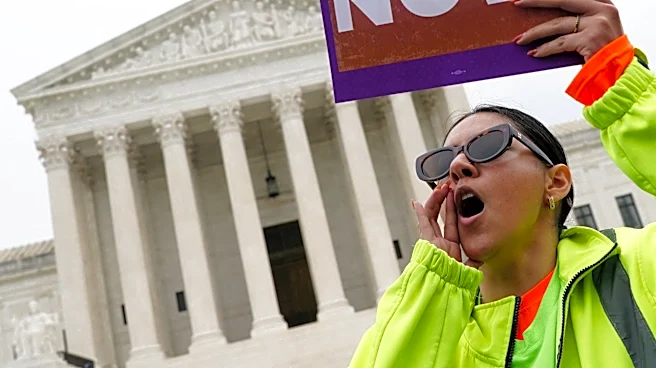
Haitians to live and work legally in the U.S. since a devastating earthquake in 2010. The Supreme Court recently ruled in favor of ending TPS, a decision driven by President Trump's administration. This move has sparked fears of increased Immigration and Customs Enforcement (ICE) raids, particularly in areas with large Haitian communities, such as South Florida and New York City.
Why It's Important?
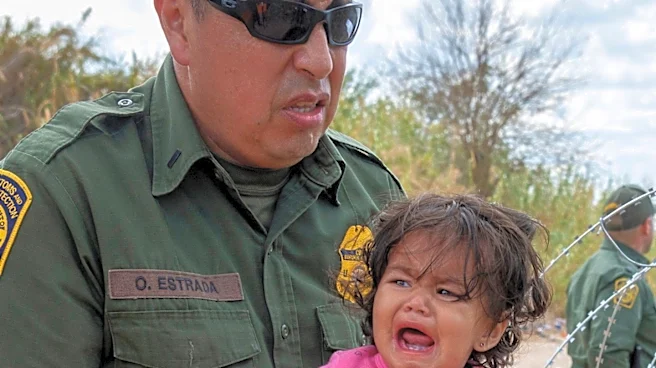
The end of TPS for Haitians could have significant social and economic impacts in the U.S. Haitian communities, particularly in South Florida and New York, are bracing for potential ICE raids, which could lead to family separations and community disruptions. The loss of legal status for these immigrants threatens industries reliant on their labor, such as healthcare and construction. Congressman Giménez's comments reflect a division within the Republican Party, as some members recognize the humanitarian and economic implications of ending TPS. The decision underscores ongoing debates about U.S. immigration policy and its alignment with humanitarian principles.
What's Next?
Haitian communities and immigrant advocacy groups are preparing for increased enforcement actions. They are advising individuals to know their rights and seek legal assistance. The broader implications of this decision may prompt further political debate and potential legislative action to address the status of immigrants affected by the end of TPS. The situation also raises questions about the future of U.S. immigration policy and its impact on vulnerable populations.