







What's Happening?
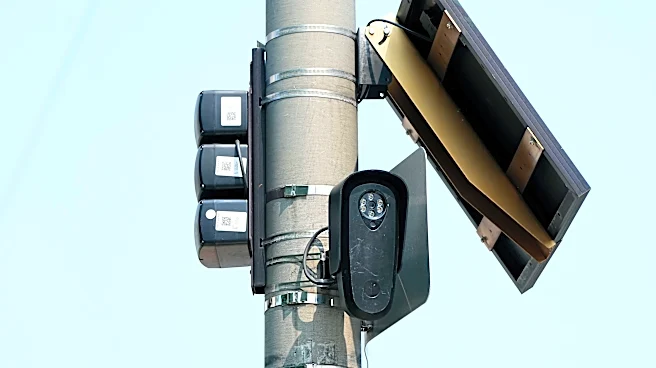
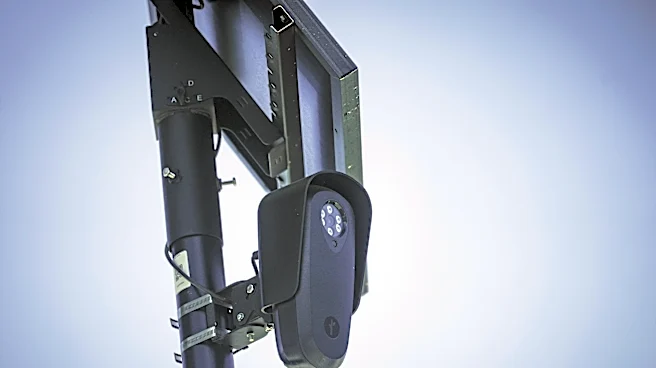
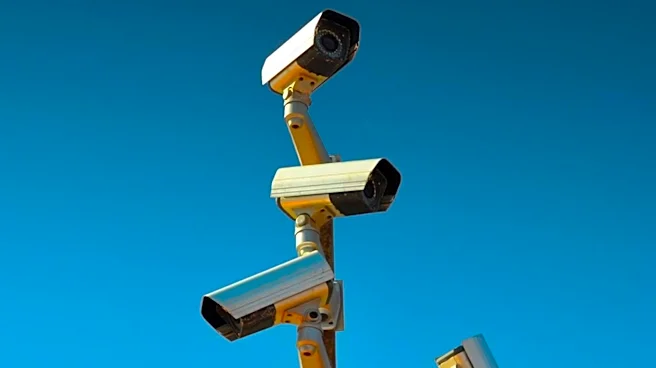
In Winona, Minnesota, all eight Flock Safety cameras, which are automated license plate readers, were stolen in a coordinated effort. The thefts occurred between July 29 and August 1, with the cameras being sawed off their poles at key entry and exit
points of the city. Two additional cameras on a nearby Mississippi River bridge were also taken. The total replacement cost is estimated at $24,000, impacting the police department's budget. This incident is part of a broader trend of vandalism and theft of Flock cameras across the country, with similar incidents reported in Duluth, Edina, Eden Prairie, and Plymouth.
Why It's Important?
The theft of Flock cameras raises significant concerns about public safety and the effectiveness of surveillance technology. These cameras are used by law enforcement to monitor traffic and enhance security, and their removal could hinder crime prevention efforts. The incidents also highlight the ongoing debate over privacy and surveillance, as these cameras collect data that can be accessed by various agencies. The financial burden of replacing the cameras falls on local police departments, which may strain already limited resources.
What's Next?
Authorities are likely to increase security measures around existing cameras and explore alternative surveillance methods to prevent future thefts. There may also be discussions about the role of surveillance technology in public safety and the need for regulations to protect privacy while ensuring security. Community engagement and transparency about the use of such technology could help address public concerns and build trust.
Beyond the Headlines
The thefts underscore the tension between technological surveillance and privacy rights. As cities increasingly rely on technology for law enforcement, the balance between security and individual privacy becomes more complex. This situation may prompt legal and ethical discussions about data ownership, access, and the potential for misuse, highlighting the need for comprehensive policies that address these challenges.