
What's Happening?
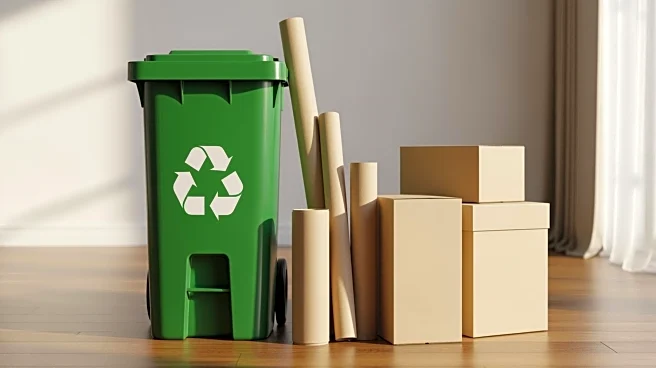
Following the holiday season, household waste typically increases by 25% between Thanksgiving and New Year's, according to the Environmental Protection Agency. Experts advise checking local recycling policies
to properly sort holiday trash. Common mistakes include attempting to recycle non-recyclable materials like metallic or glitter-coated wrapping paper and styrofoam. Christmas trees can often be recycled through city programs, where they are chipped into mulch. Food waste, which constitutes a significant portion of holiday trash, can be composted in many municipalities. The emphasis is on reducing waste by making informed purchasing decisions and properly sorting recyclables.
Why It's Important?
Proper waste management during the holiday season is crucial for reducing environmental impact. With the significant increase in waste, recycling correctly can help minimize landfill contributions and promote sustainability. Mismanagement of waste, such as improper recycling, can lead to contamination of recyclable materials, reducing the efficiency of recycling programs. By educating the public on proper waste sorting and encouraging composting, municipalities can improve recycling rates and reduce the overall environmental footprint. This is particularly important as communities strive to meet sustainability goals and reduce greenhouse gas emissions associated with waste.