


What's Happening?
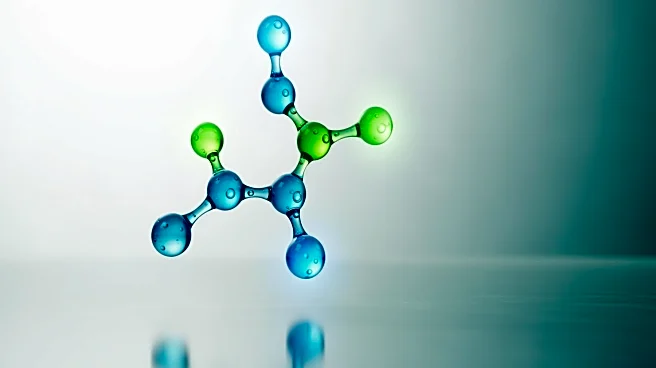
An international team of scientists, led by Professor Marc-Emmanuel Dumas at Imperial College London and CNRS, has identified a natural compound, trimethylamine (TMA), that may help counter insulin resistance and type 2 diabetes. TMA is a metabolite produced
by gut microbes from dietary choline. According to a study published in Nature Metabolism, TMA can interrupt a key immune pathway, potentially leading to healthier blood sugar levels. The research builds on previous work by Professor Patrice Cani, who discovered that high-fat diets can trigger inflammation by allowing bacterial components to enter the body. This inflammation is linked to insulin resistance in diabetes. The study found that TMA interacts with IRAK4, a protein that regulates immune activity, reducing inflammation and improving insulin response. The findings suggest that TMA could recalibrate harmful metabolic responses caused by poor dietary habits.
Why It's Important?
The discovery of TMA's role in managing insulin resistance is significant given the global prevalence of diabetes, affecting over 500 million people. By identifying a microbial metabolite that can modulate immune responses, this research opens new avenues for diabetes treatment. Enhancing TMA production through diet or medication could offer a novel approach to reducing insulin resistance and improving metabolic health. The study highlights the potential of gut microbiome-derived molecules in influencing health outcomes, emphasizing the importance of nutrition in managing chronic diseases. This breakthrough could lead to the development of new therapeutic strategies targeting IRAK4, a protein already recognized in drug development, offering hope for more effective diabetes management.
What's Next?
Future research will likely focus on developing methods to increase TMA production in the gut, either through dietary interventions or pharmaceutical approaches. The study's findings could inspire further exploration into the gut microbiome's role in metabolic health, potentially leading to new dietary guidelines or supplements aimed at enhancing TMA levels. Additionally, the research community may investigate the broader implications of TMA and similar compounds in other inflammatory conditions. As the understanding of gut microbiome interactions with human health deepens, this could pave the way for personalized nutrition and microbiome-based therapies.
Beyond the Headlines
The identification of TMA as a beneficial metabolite underscores the complex relationship between diet, gut microbiota, and health. This discovery challenges traditional views on diet-related inflammation and metabolic disorders, suggesting that the gut microbiome can produce protective compounds. The research also highlights the potential for leveraging natural compounds in the gut to develop new treatments for chronic diseases. As the field of microbiome research advances, ethical considerations regarding microbiome manipulation and its long-term effects on health will need to be addressed. This study exemplifies the growing recognition of the microbiome's role in health and disease, potentially influencing future public health policies and dietary recommendations.