






What's Happening?
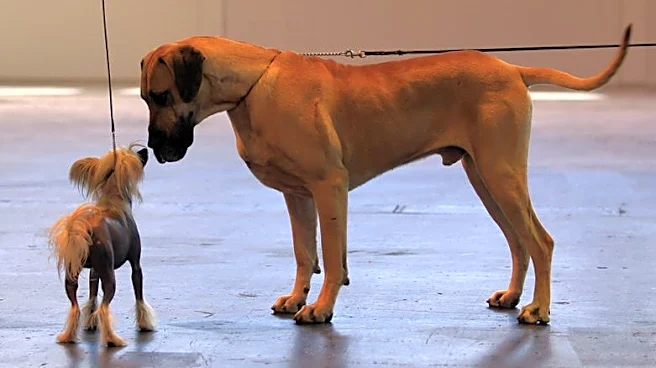
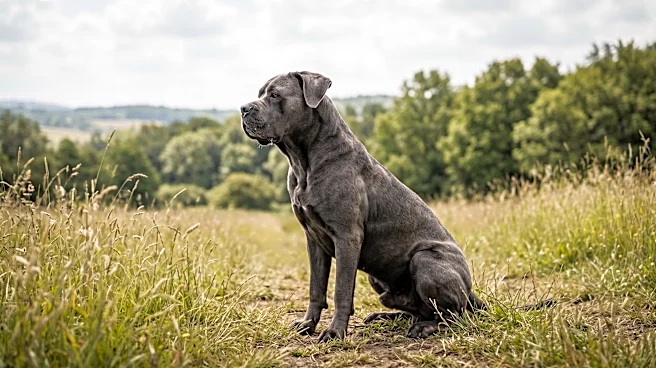
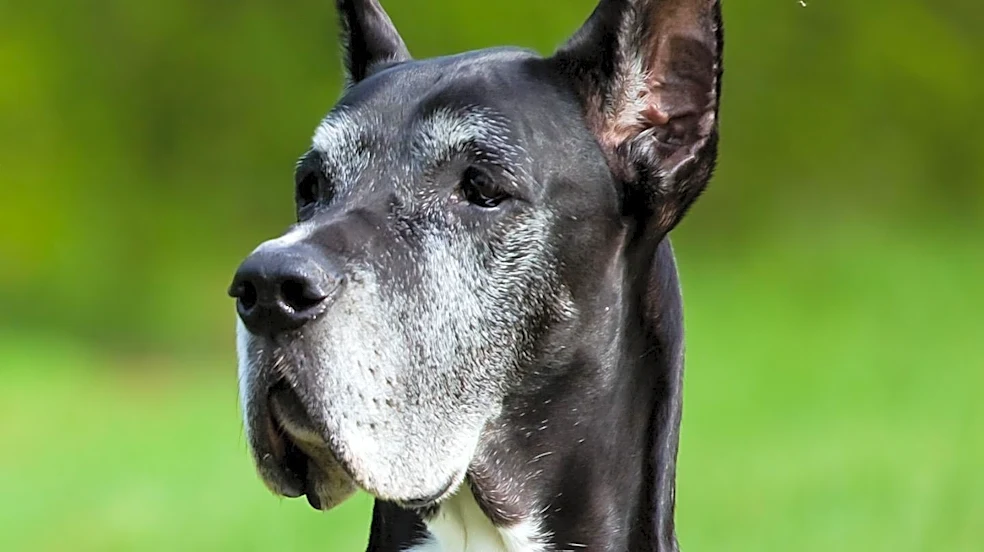
Scientists at Arizona State University have published new research in 'Science' indicating that large dog breeds experience faster molecular changes associated with aging, potentially explaining their shorter lifespans compared to smaller dogs. The study,
which analyzed nearly 900 dogs from the Dog Aging Project, found significant differences in DNA methylation patterns. Specifically, large breeds showed a more rapid loss of chemical marks on repetitive DNA sequences known as 'jumping genes' (transposable elements), particularly the LINE1 family. These jumping genes can disrupt the genome and contribute to inflammation when their control mechanisms weaken. While the study established a correlation, it has not yet definitively proven a cause-and-effect relationship between the increased activity of these genes and accelerated aging. The research also noted that epigenetic aging progressed fastest earlier in life, with larger dogs and males exhibiting distinct molecular patterns of accelerated aging.
Why It's Important?
This discovery is significant because it offers a potential biological explanation for a long-standing paradox in the animal kingdom: within a species, larger individuals often have shorter lifespans, contrary to inter-species comparisons where larger animals generally live longer. Understanding the molecular mechanisms behind accelerated aging in large dogs could have profound implications for both canine and human health. Dogs share similar environmental exposures and many age-related diseases with humans, making them valuable models for studying aging. The findings could pave the way for future interventions aimed at slowing down the aging process in dogs, improving their quality of life and longevity. Furthermore, given that dogs and humans share recognizable patterns of epigenetic aging, insights gained from this research could eventually contribute to understanding and potentially extending human lifespan, by identifying specific genomic regions that influence aging rates.
What's Next?
The immediate next steps for researchers involve conducting further experiments to establish a definitive cause-and-effect relationship between the loss of control over 'jumping genes' and accelerated aging in large dogs. This will require longer-term studies to observe whether these elements become more active and directly contribute to disease. Scientists will also investigate potential interventions that could modulate the activity of these jumping genes or bolster the mechanisms that keep them in check. The Dog Aging Project will continue to be a crucial resource for gathering more data and tracking molecular changes over time. The ultimate goal is to develop treatments or lifestyle recommendations that could slow down the aging process in large dog breeds. Additionally, researchers will explore the translational potential of these findings for human aging research, seeking to identify similar molecular signatures and develop strategies to promote healthier, longer lives for people.
Beyond the Headlines
Beyond the direct scientific implications, this research touches upon deeper ethical and societal considerations. The selective breeding practices that have led to the vast diversity in dog sizes, and inadvertently to shorter lifespans for larger breeds, raise questions about the trade-offs between desired traits and health outcomes. This study highlights the need for responsible breeding practices that prioritize animal welfare and longevity. Furthermore, the shared patterns of aging between dogs and humans underscore our interconnected biological fates and the potential for 'One Health' approaches to address complex health challenges. The findings could also influence how pet owners perceive and care for their large breed dogs, potentially leading to more proactive health monitoring and tailored interventions. This research serves as a reminder that understanding the fundamental biological processes of aging in one species can unlock critical insights for many others, including humans.