






What's Happening?
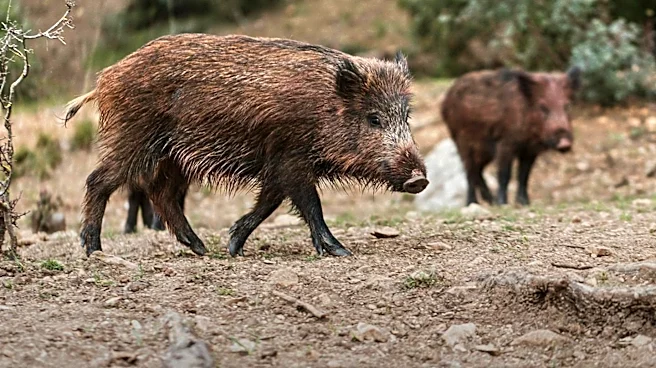
The U.S. Department of Agriculture (USDA) is calling on hunters to assist in the early detection of African swine fever (ASF) in wild hogs. This initiative is a proactive measure to safeguard the U.S. pork industry from the disease, which has never been
identified within the country. While ASF does not pose a threat to human health, its presence in feral swine could have devastating consequences for domestic pig populations. Hunters are considered crucial in this effort as they are often the first individuals to encounter wild hogs in their natural habitats. The USDA advises hunters to report any sightings of sick or deceased hogs immediately and to refrain from direct contact with these animals. Furthermore, strict sanitation practices are recommended, including thoroughly cleaning clothing, footwear, vehicles, and equipment after hunting excursions, as humans can inadvertently transport the virus and spread it to domestic pigs.
Why It's Important?
The potential introduction of African swine fever into the United States represents a significant threat to the nation's pork industry, which is a vital component of the agricultural economy. An outbreak could lead to widespread culling of pigs, substantial economic losses for farmers, and disruptions in the food supply chain. The USDA's strategy to involve hunters in surveillance highlights the importance of a multi-faceted approach to biosecurity and disease prevention. Early detection is paramount in containing any potential outbreak, as it allows for rapid response measures to be implemented, thereby minimizing the spread and impact of the disease. The collaboration between government agencies and the public, particularly those who regularly interact with wildlife, is critical in protecting livestock and maintaining the economic stability of the agricultural sector. This effort underscores the interconnectedness of wildlife health, domestic animal health, and economic well-being.
What's Next?
The USDA will likely continue to disseminate information and guidelines to hunters and the general public regarding the signs of African swine fever and the protocols for reporting suspected cases. Educational campaigns may be intensified to raise awareness about the disease and the importance of biosecurity measures. Veterinary services and wildlife management agencies will remain on high alert, ready to investigate any reported incidents. Should a case of ASF be detected in wild hogs, immediate and stringent containment measures would be implemented, potentially including culling of affected populations and enhanced surveillance in surrounding areas. The U.S. pork industry would face increased scrutiny and potentially trade restrictions from international partners, emphasizing the need for ongoing vigilance and preparedness.
Beyond the Headlines
This initiative by the USDA extends beyond immediate disease prevention, touching upon broader themes of ecological health and the role of citizen science in national security. The potential for a foreign animal disease to enter the U.S. through wildlife populations highlights the complex challenges of managing animal health in an increasingly globalized world. It also underscores the ethical considerations surrounding wildlife management, particularly when it intersects with agricultural interests. The reliance on hunters for surveillance could foster a greater sense of shared responsibility for environmental and agricultural protection. Furthermore, this situation brings to light the economic vulnerabilities of single-industry sectors to biological threats and the need for robust contingency planning to mitigate such risks. The long-term implications could include a re-evaluation of border security measures for biological contaminants and increased investment in wildlife disease research and monitoring.