




What's Happening?
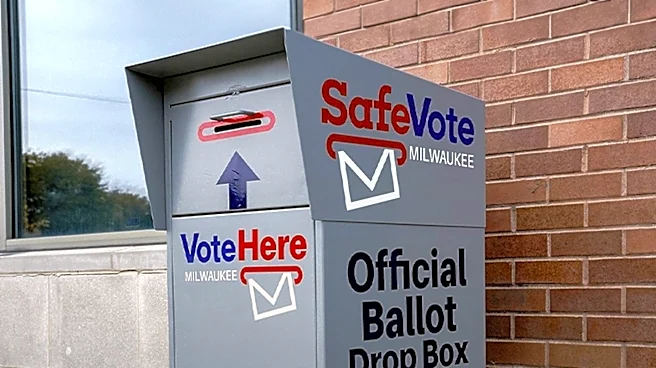
U.S. Rep. Brendan Boyle, a Democratic congressman from Philadelphia, is actively opposing the Trump administration's efforts to limit mail-in voting. He appeared alongside members of the postal workers union and city commissioners to emphasize the importance
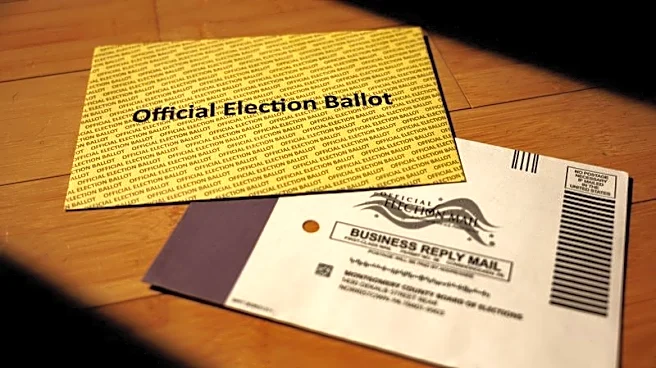
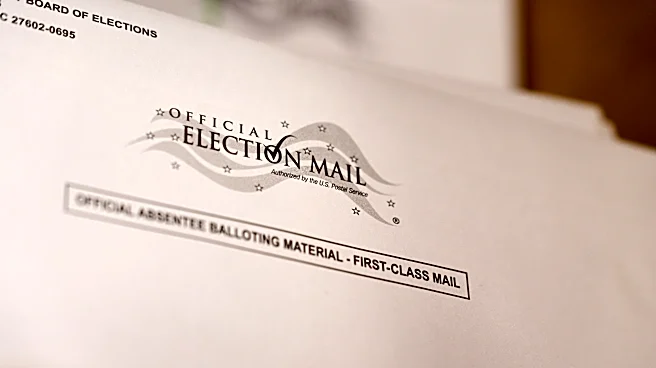
of free and fair elections. Boyle announced he is sending an oversight letter to the Postmaster General, demanding answers regarding a new system that could impact mail-in ballots. This action follows the Justice Department's appeal to the Supreme Court to overturn a lower court's ban on proposed mail-in voting restrictions. Boyle is also a co-sponsor of a U.S. House bill designed to prevent changes to mail ballots, though he acknowledges its passage is unlikely given the current composition of the House. He argues that a president should not be able to unilaterally alter election rules through executive orders.
Why It's Important?
The ongoing dispute over mail-in voting restrictions carries significant implications for the integrity and accessibility of U.S. elections. Efforts to limit mail-in voting could disenfranchise certain segments of the population, particularly those who rely on this method due to health concerns, work schedules, or other logistical challenges. The debate highlights a fundamental tension between ensuring election security and safeguarding voting rights. If the Trump administration's proposed changes are implemented, they could alter voter turnout and potentially influence election outcomes. Conversely, if Rep. Boyle and his allies succeed in blocking these restrictions, it would uphold the current system of mail-in voting, which has become increasingly prevalent. The outcome of this challenge will shape how millions of Americans cast their ballots and could set precedents for future election procedures.
What's Next?
The immediate next step involves the Postmaster General's response to U.S. Rep. Brendan Boyle's oversight letter, which will likely provide more clarity on the proposed changes to mail-ballot handling. The Justice Department's appeal to the Supreme Court regarding the lower court's ban on voting restrictions will also be a critical development, as a Supreme Court decision could have far-reaching implications for mail-in voting nationwide. While the House bill co-sponsored by Boyle is unlikely to pass in the current political climate, the legislative effort signals continued congressional opposition to the administration's stance. Voters are encouraged to stay informed about local voting procedures by visiting official city election websites. The broader political discourse surrounding voting rights and election integrity is expected to intensify as the next election cycle approaches.
Beyond the Headlines
This challenge to mail-in voting restrictions delves into deeper constitutional and democratic principles. The debate touches upon the balance of power between the executive branch and Congress, particularly concerning the administration's ability to influence election processes. It also raises questions about the role of federal agencies, such as the U.S. Postal Service, in facilitating democratic participation. Beyond the immediate impact on voting, the controversy could erode public trust in electoral systems if voters perceive that rules are being changed for partisan advantage. The long-term implications include potential shifts in voter behavior, increased litigation over election procedures, and a re-evaluation of federal oversight in state-level election administration. The outcome will not only affect the upcoming elections but also contribute to the ongoing narrative about the resilience and fairness of American democratic institutions.