



What's Happening?
Greek companies, particularly in the shipping, banking, and telecommunications sectors, are conducting cybersecurity scans following a high-priority advisory from the National Cybersecurity Authority. This advisory comes in response to recent cyberattacks
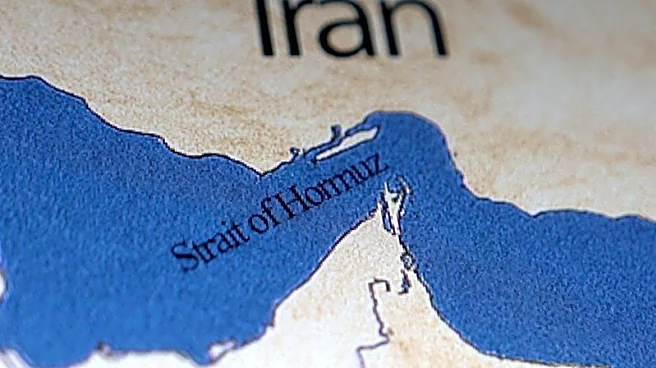
linked to the ongoing conflict involving Iran. The advisory, which was seen by Reuters, urged firms to check for signs of compromise, such as specific IP addresses and malware like the VShell Remote Access Trojan. The advisory follows a cyberattack claimed by an Iranian-linked group on the U.S.-based medical device company Stryker. Additionally, Albania reported a cyberattack on its parliament's digital infrastructure, attributed to the Iran-linked 'Homeland Justice' group. The advisory is a preemptive measure to protect against potential threats, as electronic interference with commercial ship navigation systems has increased around the Strait of Hormuz and the Gulf.
Why It's Important?
The advisory highlights the growing threat of cyberattacks linked to geopolitical tensions, particularly involving Iran. For U.S. companies and international stakeholders, this underscores the need for heightened cybersecurity measures. The potential for cyberattacks to disrupt critical infrastructure, such as shipping and telecommunications, poses significant risks to global trade and economic stability. Companies in the U.S. and allied nations may need to reassess their cybersecurity strategies to mitigate these threats. The situation also reflects the broader implications of cyber warfare, where state-linked groups target private and public sector entities, potentially leading to economic and political repercussions.
What's Next?
Companies affected by the advisory are expected to continue monitoring their systems for signs of compromise and to implement recommended security measures. The situation may prompt further international cooperation on cybersecurity, as nations seek to protect their critical infrastructure from state-sponsored cyber threats. Additionally, there may be increased pressure on governments to develop more robust cybersecurity policies and frameworks to address these evolving threats. The ongoing geopolitical tensions could lead to further cyber incidents, necessitating a coordinated response from affected countries.