







What's Happening?
Environmental testing has commenced in Ladera Ranch, a Southern California community, after at least six children were diagnosed with Ewing sarcoma, a rare form of cancer affecting bone or soft tissue. The California Department of Public Health (CDPH)
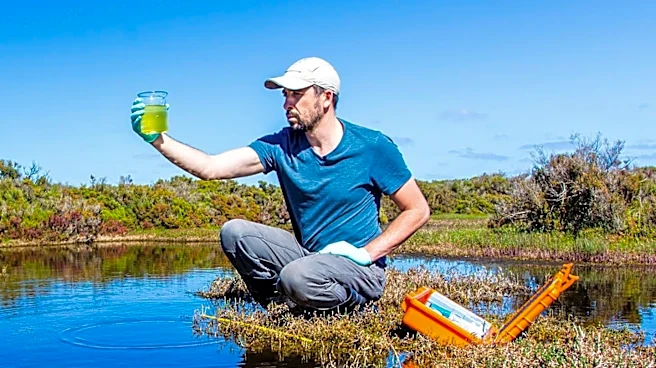
is conducting a new review of cancer data for the area, prompted by residents' concerns about potential environmental exposures, including pesticides and herbicides used in local landscaping. The investigation gained significant attention following the death of 17-year-old Brody Matteson from complications related to Ewing sarcoma treatment. While state environmental agencies have not yet identified an immediate environmental hazard or established a connection between the cancer cases and environmental exposure, researchers from California State University, Fullerton, began collecting soil and water samples from parks on September 14. These samples are being tested for heavy metals like arsenic and lead, as well as pesticides, with results expected by the end of the year. The Ladera Ranch Maintenance Corporation, the community's master homeowners association, has temporarily suspended the use of certain landscape chemicals and formed an advisory committee to review its landscaping practices.
Why It's Important?
This situation highlights critical public health concerns regarding environmental safety and the potential impact of local environmental factors on community well-being, particularly among vulnerable populations like children. The investigation into Ewing sarcoma cases in Ladera Ranch underscores the challenges in identifying environmental causes for rare diseases, especially when no confirmed environmental or genetic cause is known. The involvement of state and federal agencies, including the Environmental Protection Agency, signifies the seriousness of the issue and the need for comprehensive environmental assessments. The community's proactive response, such as the homeowners association suspending certain chemical uses, reflects growing public awareness and demand for accountability regarding environmental health. The findings from this investigation could influence future regulations on landscape chemical use, environmental monitoring protocols, and public health strategies for addressing potential cancer clusters in residential areas across the U.S.
What's Next?
The California Department of Public Health anticipates completing its focused assessment of cancer incidence in Ladera Ranch by fall 2026, though the timeline may adjust based on the investigation's scope and additional information. Researchers from California State University, Fullerton, expect to release the results of their soil and water sample testing by the end of the year. These results, while not establishing causality, will provide crucial data points for the ongoing investigation. The Ladera Ranch Maintenance Corporation's advisory committee will continue to examine landscaping practices, potentially leading to permanent changes in chemical use. Community meetings are expected to continue as residents seek further answers and updates. The federal government's involvement, through the EPA, suggests the possibility of broader federal oversight or intervention if significant environmental hazards are identified. The medical community will also be closely watching for any established links, which could inform future diagnostic and preventative measures for rare cancers.
Beyond the Headlines
The Ladera Ranch situation delves into the complex interplay between environmental factors, public health, and community advocacy. It raises ethical questions about the responsibility of developers and maintenance corporations in ensuring the safety of residential environments, particularly concerning chemical use. The difficulty in establishing a direct causal link between environmental exposures and rare cancers, like Ewing sarcoma, underscores the limitations of current scientific understanding and the need for advanced research methodologies. This case could set precedents for how communities and regulatory bodies respond to suspected environmental health crises, potentially leading to more stringent environmental testing requirements for new developments and greater transparency in the use of landscaping chemicals. It also highlights the emotional and psychological toll on affected families and the broader community, emphasizing the importance of robust public health communication and support systems during such investigations.