






What's Happening?
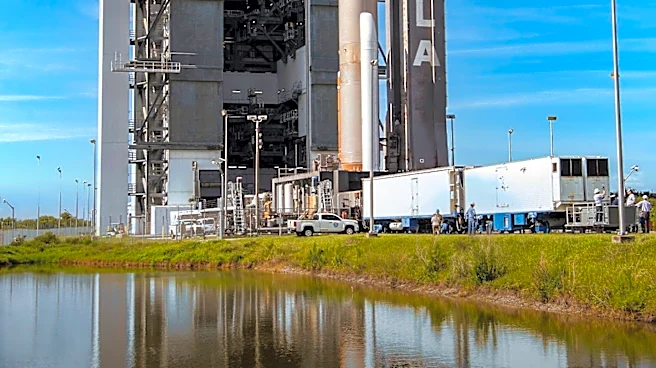
United Launch Alliance’s (ULA) Vulcan rocket failed minutes after liftoff on Sunday, November 15, 2026, resulting in the loss of 40 Amazon Leo broadband satellites. The launch, from Cape Canaveral Space Force Station, Florida, experienced an anomaly approximately
10 minutes into the flight, preventing the mission from reaching orbit. This failure is a significant setback for ULA, as the Vulcan rocket is contracted to launch roughly half of the U.S. military’s national security space missions in the coming years and was also booked for 38 launches by Amazon for its broadband internet satellite network. ULA stated that engineers would investigate the cause of the failure to determine corrective actions and return to flight as quickly as possible.
Why It's Important?
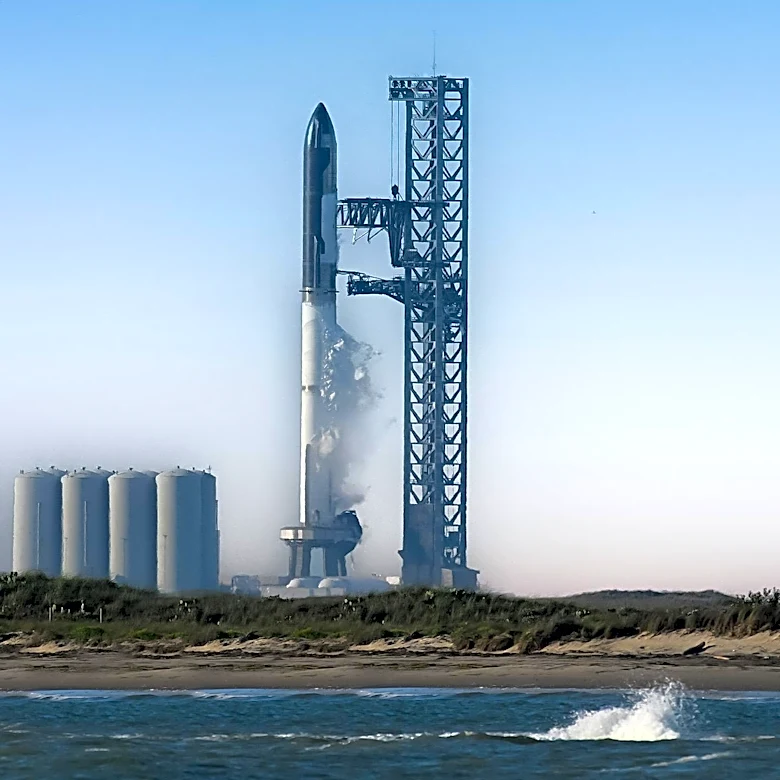
The failure of ULA's Vulcan rocket deals a major blow to the U.S. space industry, particularly impacting national security and commercial satellite deployment efforts. For the Space Force, this incident will likely increase its already heavy reliance on SpaceX for launching critical national security satellites, as military leaders aim to keep pace with China's growing presence in orbit. Amazon's Project Kuiper, intended to compete with SpaceX's Starlink, will also face significant delays, potentially forcing Amazon to contract more missions with its competitor. This setback highlights the challenges in developing new launch vehicles and could lead to further consolidation of launch services with established providers like SpaceX, which is transitioning to its Starship rocket.
What's Next?
ULA engineers will conduct a thorough investigation into the Vulcan rocket's failure to identify the root cause and implement necessary corrective measures. This process is expected to ground the rocket for an indefinite period, leading to potential delays for future national security and commercial missions. The Space Force may need to reallocate more launches to SpaceX, further increasing its dependence on the company. Amazon will likely face additional delays in deploying its Project Kuiper constellation, potentially impacting its competitive position in the satellite broadband market. The incident could also prompt a review of launch vehicle diversification strategies within the U.S. space sector.
Beyond the Headlines
This Vulcan rocket failure underscores the inherent risks and complexities of space launch operations, even for experienced providers like ULA. Beyond the immediate financial and schedule impacts, the incident raises broader questions about the resilience and redundancy of U.S. space infrastructure. A prolonged grounding of Vulcan could exacerbate the U.S. military's reliance on a single provider for critical national security payloads, potentially creating vulnerabilities. Furthermore, it highlights the intense competition in the commercial space sector, where launch reliability is paramount. The failure could also influence future investment decisions in new launch technologies and reinforce the strategic importance of robust and diverse launch capabilities for national interests.