
What's Happening?
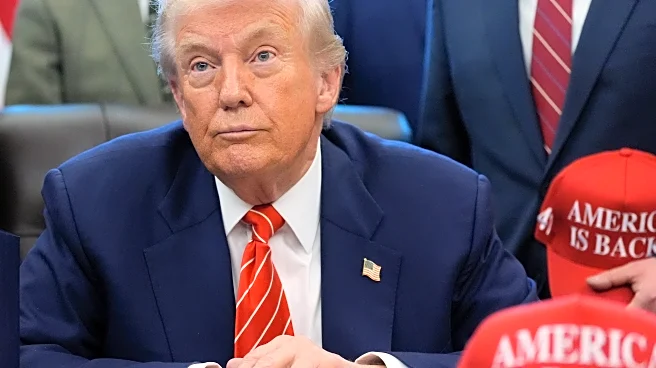
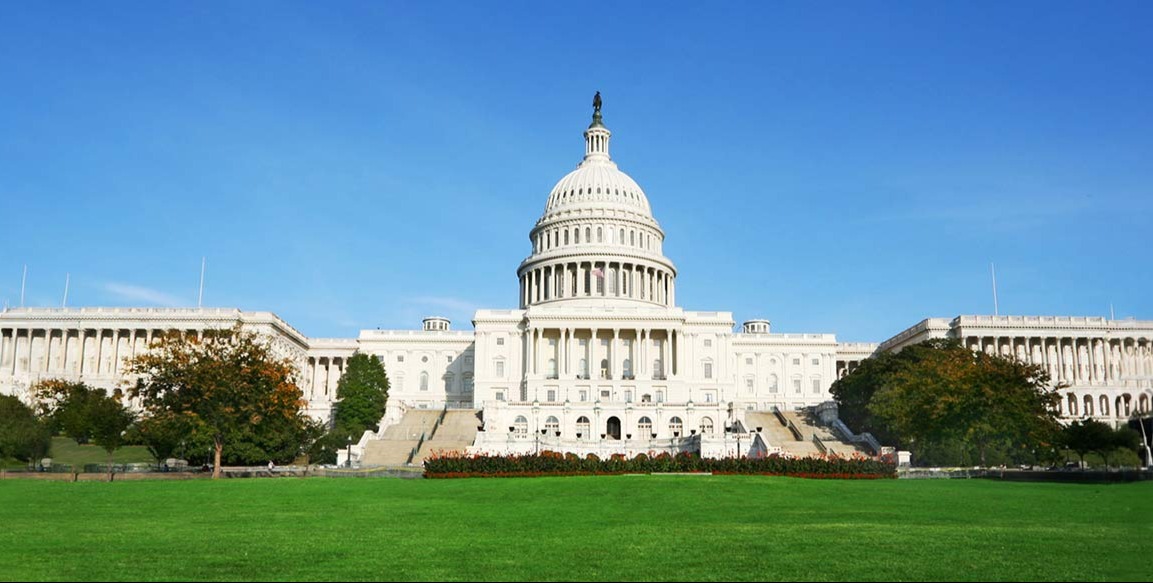
President Trump has directed the United States to withdraw from 66 international organizations, which his administration has labeled as harmful. This decision affects a wide range of international and
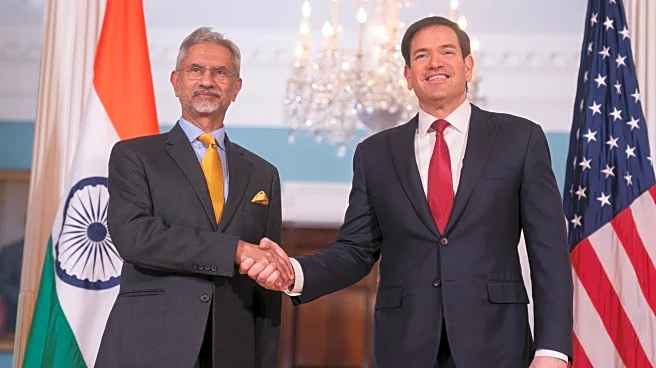
United Nations bodies, many of which focus on climate change, gender equity, migration, democracy, and multilateral cooperation. The administration justifies this move as a means to reassert U.S. sovereignty and eliminate what it sees as wasteful or ideologically driven entities funded by American taxpayers. Secretary of State Marco Rubio stated that these organizations were found to be redundant, mismanaged, or contrary to U.S. interests. The withdrawal marks a significant shift in American foreign policy and global engagement.
Why It's Important?
The withdrawal from these organizations could significantly reduce the United States' ability to influence international norms and policies, particularly in areas like climate change and economic development. Critics argue that this move diminishes the country's global influence and leadership, potentially isolating the U.S. on the world stage. The decision could also lead to budget shortfalls and program cuts for the affected organizations, impacting their ability to operate effectively. This shift reflects a broader trend in the Trump administration's approach to multilateralism, emphasizing national sovereignty over international cooperation.
What's Next?
Federal agencies have been instructed to begin the withdrawal process immediately, including ending U.S. funding and participation in the listed organizations. The White House and State Department have indicated that further reviews of international group memberships will continue, with the potential for additional withdrawals or funding terminations in the future. The affected organizations and the United Nations may face challenges in adjusting to the loss of U.S. support, potentially leading to realignments in their operations and priorities.