







What's Happening?
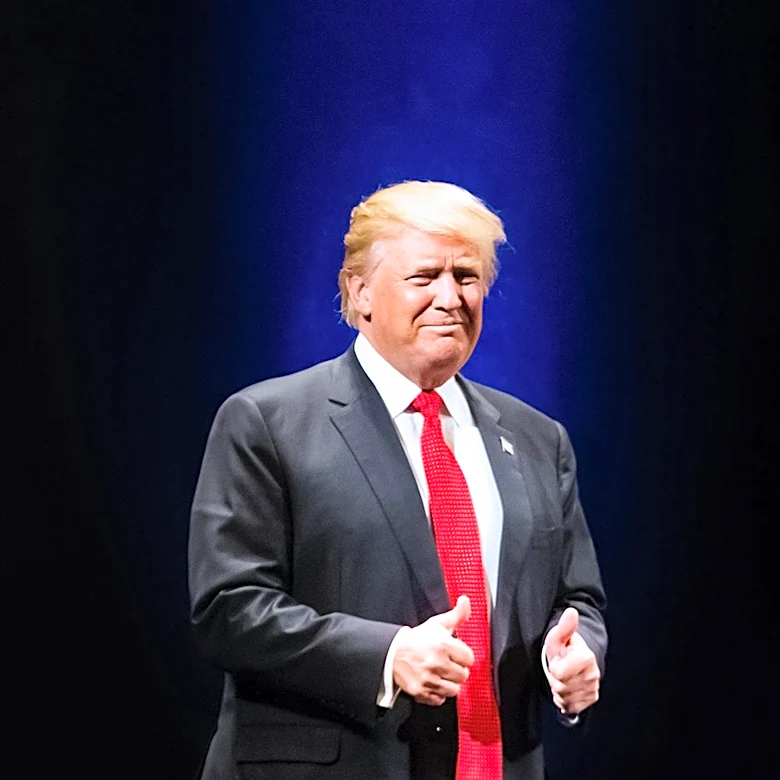
The Trump administration has introduced a new initiative aimed at enhancing cybersecurity coordination in the realm of artificial intelligence. This initiative, known as the Gold Eagle clearinghouse, was developed in collaboration with the Treasury Department,
Department of Homeland Security, and the Pentagon, alongside AI companies. National Cyber Director Sean Cairncross announced that the clearinghouse will facilitate the exchange of information regarding potential vulnerabilities, particularly in open-source software. This move is part of President Trump's executive order issued in June, which outlines a strategy to address AI-related cybersecurity threats. The initiative allows companies to voluntarily submit their advanced models for evaluation, with the Software Engineering Institute at Carnegie Mellon University developing the platform for this purpose. The Vulnerability Information and Coordination Environment will manage the dissemination of information to ensure software defects are addressed.
Why It's Important?
The establishment of the Gold Eagle clearinghouse is significant as it represents a strategic effort by the U.S. government to mitigate cybersecurity risks associated with artificial intelligence. By creating a centralized platform for sharing information on vulnerabilities, the initiative aims to enhance the security of AI technologies, which are increasingly integral to various sectors. This move could potentially safeguard critical infrastructure and protect sensitive data from cyber threats. The initiative also reflects a balancing act between fostering innovation in AI and ensuring national security. The administration's approach, which stops short of mandating safety tests, indicates a preference for voluntary compliance, which may encourage industry cooperation while maintaining a degree of regulatory oversight.
What's Next?
The future of the White House's AI policy remains uncertain, particularly regarding the extent of regulatory measures. While the administration has recently taken a more assertive stance by restricting certain AI model releases, it is unclear if this approach will continue. The industry faces challenges in navigating these regulatory dynamics, especially as the administration considers further actions on overseas access to U.S. open-source models. The ongoing dialogue between AI companies and government officials will likely shape the evolution of AI policy, with potential implications for international cooperation and competition in the AI sector.