
What's Happening?
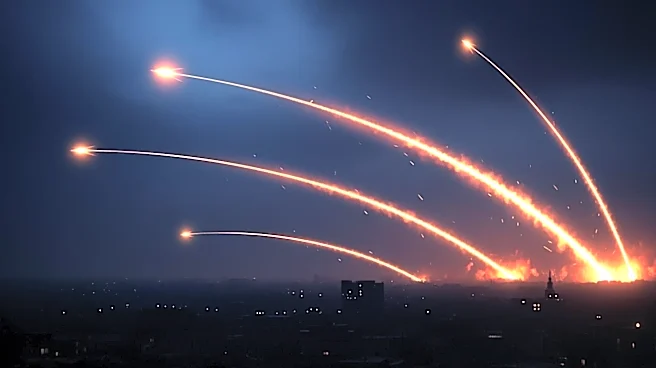
Hezbollah launched rockets into the western Galilee, marking a significant escalation ahead of scheduled talks at the White House involving Israeli and Lebanese ambassadors. The attacks, which resulted
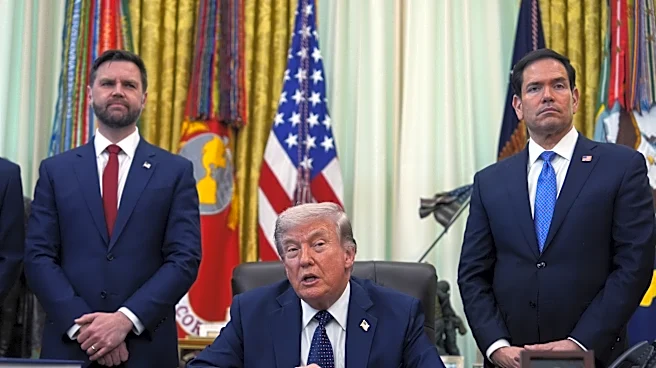
in no reported injuries or damage, occurred just before the second round of direct discussions aimed at extending the ceasefire between Israel and Lebanon. President Trump is expected to participate in these talks, as Beirut seeks to prolong the ceasefire amidst ongoing tensions. The situation underscores the fragile nature of the ceasefire and the challenges in maintaining peace in the region.
Why It's Important?
The rocket attacks by Hezbollah highlight the persistent volatility in the Middle East and the complexities involved in achieving lasting peace. The ceasefire extension talks at the White House are crucial for stabilizing the region and preventing further escalation. The involvement of President Trump and the U.S. underscores the international community's role in mediating conflicts and supporting diplomatic solutions. The outcome of these talks could have significant implications for regional security, U.S. foreign policy, and the broader geopolitical landscape.
What's Next?
The continuation of talks at the White House will be closely monitored by international stakeholders, as any agreements reached could influence future diplomatic efforts in the region. Potential outcomes include a formal extension of the ceasefire, increased U.S. involvement in peacekeeping efforts, or renewed tensions if talks fail. The situation may also prompt reactions from other regional powers, influencing alliances and strategic decisions. The international community will likely continue to advocate for dialogue and peaceful resolutions to prevent further conflict.
Beyond the Headlines
The ongoing conflict and ceasefire negotiations highlight the broader geopolitical dynamics in the Middle East, including the influence of non-state actors like Hezbollah. The situation underscores the challenges in balancing national security interests with diplomatic efforts and the role of international mediators in conflict resolution. The outcome of these talks could set a precedent for future negotiations and influence the approach to similar conflicts in the region.