



What's Happening?
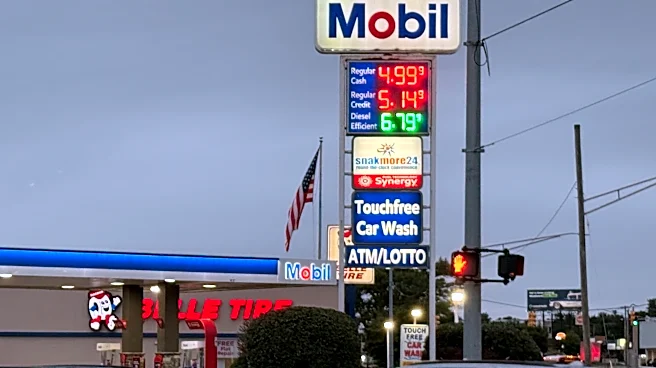
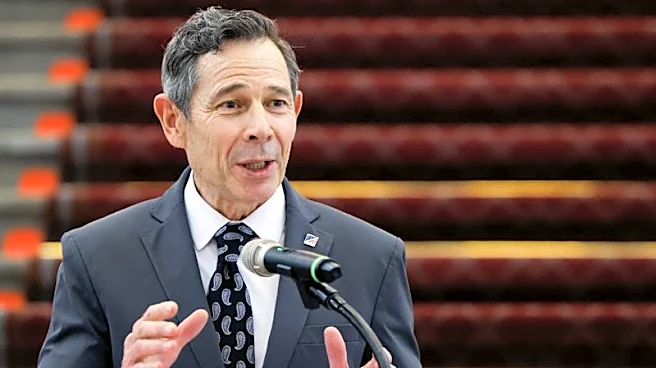
U.S. Senator Chuck Grassley is advocating for an embargo on diesel fuel exports by President Trump to alleviate the financial strain on Iowa farmers caused by high diesel prices. According to Grassley, these elevated prices are significantly impacting
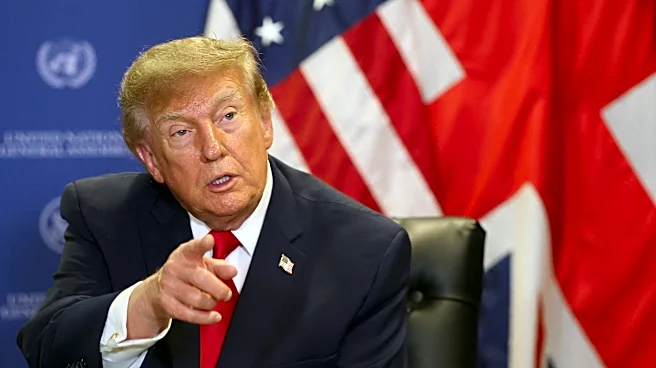
farmers' incomes. This call to action was made during his weekly Capitol Hill Report with Iowa reporters. Concurrently, Senator Grassley expressed satisfaction with the progress of the Farm Bill, which has advanced to the Senate floor after successfully passing the Senate Ag Committee. Additionally, the U.S. Senate has unanimously passed bipartisan legislation sponsored by Grassley aimed at supporting victims of identity theft whose Social Security numbers have been compromised. This bill is now awaiting President Trump's signature to become law. During his report, Grassley also addressed President Trump's recent decision to ban three news media outlets from the White House.
Why It's Important?
Senator Grassley's push for a diesel export embargo highlights a critical economic challenge facing the U.S. agricultural sector, particularly in states like Iowa. High diesel prices directly increase operational costs for farmers, affecting their profitability and potentially leading to higher food prices for consumers. An embargo, if implemented, could significantly impact the energy market, potentially lowering domestic diesel prices but also affecting international trade relations and the profitability of U.S. energy companies. The progress of the Farm Bill is crucial for agricultural policy, providing support and direction for farmers and rural communities across the nation. The unanimous passage of the identity theft legislation underscores a bipartisan commitment to protecting citizens from financial crime, offering a vital safeguard for individuals whose personal information has been compromised. These developments collectively reflect ongoing efforts to address economic pressures on key industries and enhance consumer protection.
What's Next?
The immediate next step for the proposed diesel export embargo rests with President Trump, who will need to decide whether to implement such a measure. His decision will likely involve weighing the economic benefits for farmers against potential diplomatic and economic repercussions of restricting exports. For the Farm Bill, its advancement to the Senate floor means it will undergo further debate and potential amendments before a final vote. If passed by the Senate, it would then move to the House of Representatives or a conference committee if there are differences between the two chambers' versions. The identity theft legislation is now on President Trump's desk, and his signature is the final step for it to be enacted into law. Stakeholders, including agricultural groups, energy companies, and consumer advocacy organizations, will be closely monitoring these developments, preparing to react to the outcomes.
Beyond the Headlines
The debate over diesel exports touches upon the broader tension between domestic economic relief and international trade obligations. While an embargo could offer immediate relief to U.S. farmers, it could also be viewed as protectionist, potentially inviting retaliatory measures from other countries and disrupting global energy markets. This situation underscores the complex interplay between national economic interests and global trade dynamics. The Farm Bill's journey through Congress reflects the ongoing challenge of balancing diverse agricultural interests, environmental concerns, and budgetary constraints. The identity theft legislation, while seemingly straightforward, highlights the increasing vulnerability of personal data in the digital age and the continuous need for robust legal frameworks to protect citizens. These legislative and policy actions are indicative of the government's role in mitigating economic hardships and adapting to evolving societal challenges.