






What's Happening?
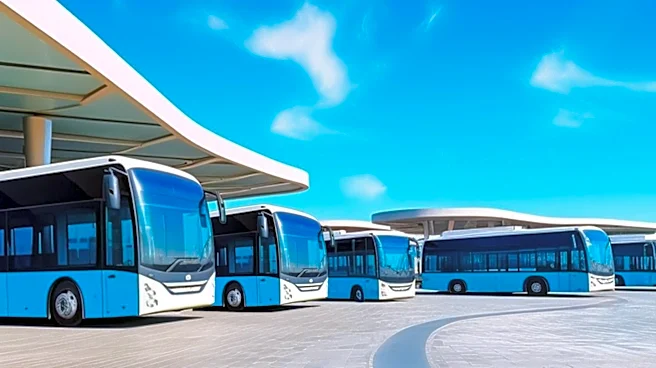
Hattiesburg is preparing to modernize its Hub City Transit fleet by replacing existing buses with 14 new lower-emission propane models. This initiative is supported by over $7.5 million in combined federal and city funding. The upgrade aims to enhance
public transportation services within the city while also contributing to environmental sustainability through the use of cleaner-burning fuel. This investment signifies a commitment from local and federal authorities to improve infrastructure and public amenities in Hattiesburg. The transition to propane buses is part of a broader effort to update aging public transit systems and adopt more eco-friendly transportation solutions.
Why It's Important?
This investment in new propane buses for Hattiesburg's Hub City Transit is important for several reasons. Environmentally, the shift to lower-emission propane buses will reduce the carbon footprint of the city's public transportation system, contributing to cleaner air and better public health outcomes for residents. Economically, the project represents a significant allocation of over $7.5 million in federal and city funds, which will support local infrastructure development and potentially create jobs related to the maintenance and operation of the new fleet. For the community, an updated and more reliable transit system can improve accessibility for residents, particularly those who depend on public transport for daily commutes, access to services, and economic opportunities. This modernization can also enhance the overall quality of life in Hattiesburg by providing more efficient and comfortable transportation options.
What's Next?
The next steps for Hattiesburg will involve the procurement and deployment of the 14 lower-emission propane buses. This process will likely include finalizing contracts with manufacturers, establishing maintenance protocols for the new fleet, and training staff on the operation and upkeep of propane-powered vehicles. The city will also need to manage the transition from the old fleet to the new one, ensuring minimal disruption to public transit services. Additionally, the successful implementation of this project could serve as a model for other cities looking to upgrade their public transportation systems with more sustainable options, potentially influencing future federal and state funding allocations for similar initiatives across the U.S.
Beyond the Headlines
Beyond the immediate benefits of a modernized bus fleet, this initiative in Hattiesburg highlights a growing trend in urban planning towards sustainable infrastructure and green technology. The adoption of propane buses reflects a broader societal push to reduce reliance on fossil fuels and mitigate climate change impacts. This move could also stimulate local economic development by fostering a demand for skilled labor in green technology maintenance and operation. Furthermore, it underscores the critical role of federal and local partnerships in funding and implementing large-scale public works projects that benefit communities and align with national environmental goals. The success of such projects can influence public perception and encourage further investment in sustainable urban development.