









What's Happening?
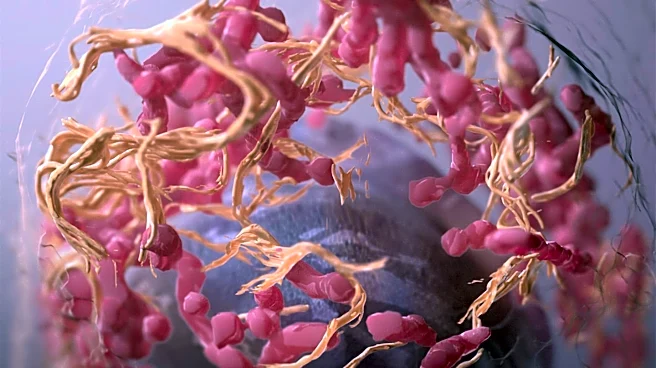
Researchers at the University of Colorado Boulder have developed a single injection treatment that has shown promising results in reversing osteoarthritis in animal models. The treatment involves a slow-release drug-delivery system that encourages the body's
own cells to repair damaged cartilage and bone. Early tests on human cells have also shown positive signs, although the results are still awaiting peer review. The research team aims to move forward with further safety and toxicology studies, with the goal of initiating human clinical trials within the next 18 months.
Why It's Important?
Osteoarthritis is a common and debilitating condition that affects millions of people, causing pain and limiting mobility. Current treatment options are limited to pain management or joint replacement surgery. This new injection offers a potential breakthrough by promoting natural tissue regeneration, which could significantly improve the quality of life for patients. If successful in human trials, this treatment could reduce the need for invasive surgeries and provide a more accessible and cost-effective solution for managing osteoarthritis.
What's Next?
The research team plans to conduct further animal studies to gather additional data on the treatment's safety and efficacy. If these studies are successful, human clinical trials could begin, potentially leading to a new treatment option for osteoarthritis patients. The development of this injection also opens the door for further research into regenerative medicine and its applications in other degenerative diseases.