
What's Happening?
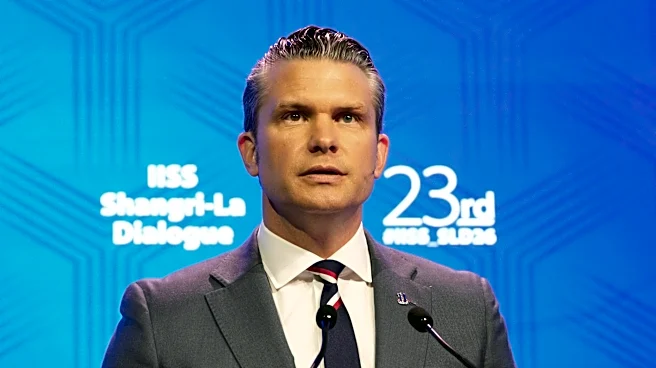
The U.S. Department of Defense, under the direction of Defense Secretary Pete Hegseth, has reduced the number of recognized religious faiths and belief systems for military chaplains from 211 to 31. This
change, outlined in a memorandum signed by Anthony Tata, aims to streamline the collection of religious preferences and enhance the delivery of targeted religious support. The revised list includes major religions such as Christianity, Islam, Judaism, and others, but excludes several smaller faiths and belief systems.
Why It's Important?
This reduction marks a significant shift in how the military recognizes and supports the religious diversity of its service members. By narrowing the list, the Department of Defense aims to provide more focused and efficient religious support. However, this change may impact service members whose faiths are no longer recognized, potentially affecting their morale and sense of inclusion. The decision reflects broader discussions on religious representation and support within the military.
What's Next?
The Department of Defense will need to address potential concerns from service members and chaplains about the impact of this change. There may be calls for further revisions or accommodations to ensure that all service members feel supported in their religious practices. The military will also need to monitor the effects of this change on morale and cohesion within the ranks.
Beyond the Headlines
The decision to reduce the number of recognized faiths may spark broader debates about religious freedom and diversity in the military. It raises questions about how institutions balance efficiency with inclusivity and the potential consequences of excluding minority faiths. This change could also influence how other government agencies approach religious diversity and support.