



What's Happening?
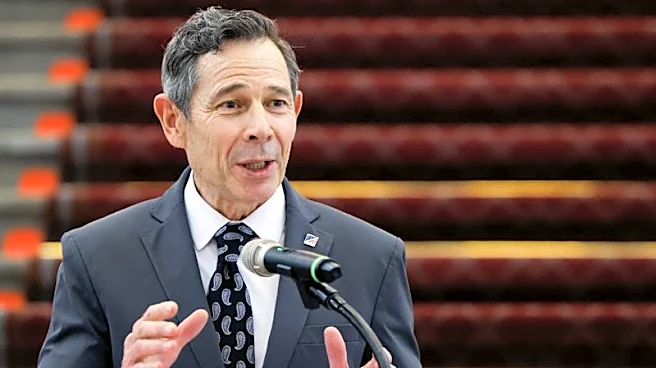
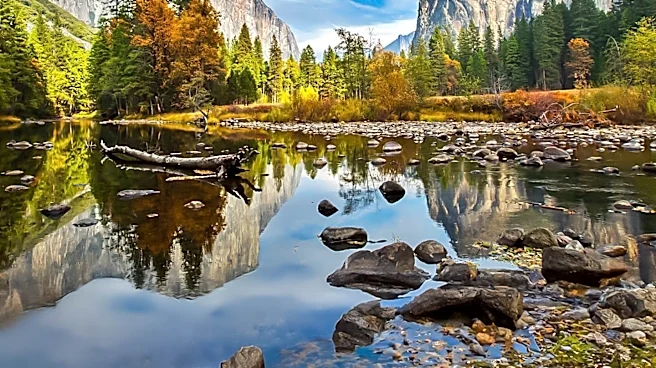
A bipartisan group of 153 lawmakers, led by U.S. Senator Martin Heinrich (D-N.M.), has formally urged the Department of the Interior (DOI) to abandon a proposed transfer of federally managed public land within Yosemite National Park. The proposal involves
exchanging a quarter-mile strip of land to facilitate private access to an 83-acre parcel known as Hazel Green Ranch, adjacent to the park. This ranch is owned by Kingsbarn, a company whose CEO began making donations to President Trump's campaign and the Republican National Committee shortly after acquiring the property in late 2024. Lawmakers contend that this transfer appears to provide a private benefit at the expense of public land, lacking a clear and compelling public benefit. Previous attempts to gain private access to this property were blocked by federal courts in 2007 and 2012. The current proposal also raises concerns as the DOI considered using Land and Water Conservation Fund (LWCF) authority for the exchange, despite congressional objections from the Senate Interior-Environment Appropriations Subcommittee.
Why It's Important?
This issue highlights a significant debate regarding the management and preservation of U.S. public lands, particularly national parks. The potential transfer of land within Yosemite National Park to a private entity, especially one with financial ties to the current administration, raises questions about transparency, ethical governance, and the integrity of public land policies. It underscores the tension between private economic interests and the public good, as national parks are designated for the benefit of all Americans. The use of LWCF funds, intended for acquiring and protecting public lands, for such an exchange further complicates the matter, potentially setting a precedent that could undermine the fund's purpose. The bipartisan opposition indicates a broad concern across the political spectrum about protecting these national treasures from privatization and ensuring that decisions regarding public lands are made in the public interest, not for private gain.
What's Next?
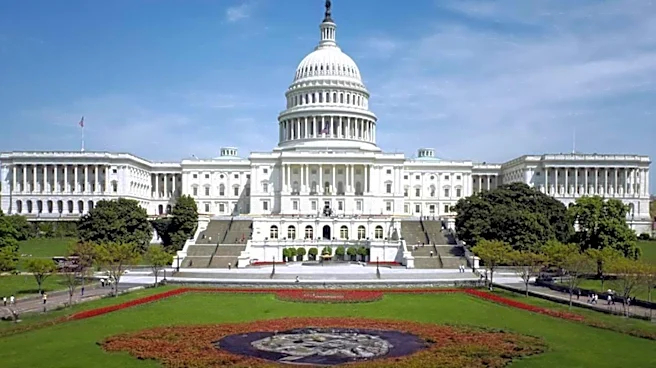
The Department of the Interior will need to respond to the letter from the 153 lawmakers. The strong bipartisan opposition, coupled with previous federal court rulings against similar access attempts, suggests that the proposed land transfer will face significant scrutiny and potential legal challenges. The lawmakers have explicitly asked the DOI to honor congressional objections and abandon the effort. Future actions could include further congressional hearings, public protests, or legal action from environmental groups if the DOI proceeds with the transfer. The outcome of this situation could influence future policies regarding public land management and the criteria for land exchanges within national parks, potentially leading to stricter regulations to prevent similar controversies.
Beyond the Headlines
This controversy delves into the deeper philosophical question of who truly owns and benefits from America's public lands. It touches upon the legacy of conservation efforts, exemplified by figures like President Theodore Roosevelt, who emphasized the preservation of national parks for their 'majestic beauty' and for the enjoyment of future generations. The incident also brings to light the potential for political influence and financial contributions to impact decisions regarding public resources. It challenges the notion that public lands are inviolable and raises concerns about the erosion of trust in government agencies responsible for their stewardship. The debate extends beyond this specific parcel of land, resonating with broader discussions about environmental protection, corporate accountability, and the balance between economic development and ecological preservation in the United States.