






What's Happening?
The Trump administration has agreed to resume funding for the Second Avenue subway project in Manhattan following a lawsuit by New York officials. The U.S. Department of Transportation announced that it has completed its review of the project and will
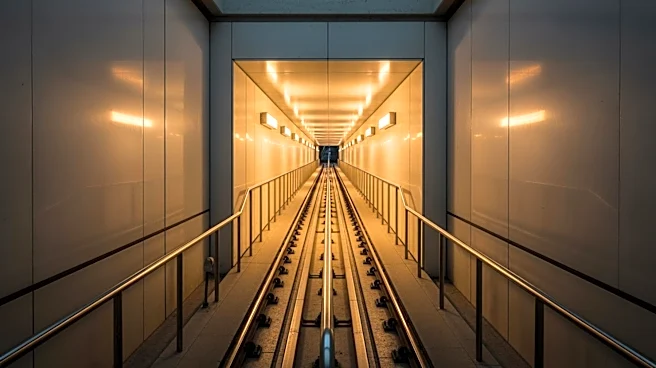
begin reimbursing state transit officials for construction costs. The project aims to extend subway service to parts of Harlem, with new stations being built along Manhattan's Upper East Side. The USDOT had previously withheld approximately $60 million from the project, citing concerns over diversity, equity, and inclusion (DEI) principles, which it argued were unconstitutional and led to increased costs. The reversal of funding comes after a federal judge ordered the resumption of payments for another major transportation project, the Hudson River rail tunnel, which had also been halted by the administration.
Why It's Important?
The resumption of funding for the Second Avenue subway project is significant for New York City, as it promises to enhance public transportation access in underserved areas of Manhattan. The project is part of a broader infrastructure initiative that includes several major transportation projects in New York and New Jersey. The decision to restore funding reflects ongoing tensions between the Trump administration and Democratic leaders in these states, particularly regarding infrastructure spending and DEI principles. The resolution of this funding dispute may set a precedent for future federal infrastructure projects and their compliance with DEI standards, impacting how taxpayer dollars are allocated and spent.
What's Next?
With funding restored, construction on the Second Avenue subway project is expected to proceed, bringing long-awaited transit improvements to Manhattan neighborhoods. The project is part of a larger $7.7 billion initiative, with the federal government covering around $3.4 billion. As construction progresses, stakeholders will likely monitor the project's adherence to federal policies and its impact on local communities. The resolution of this funding issue may influence future infrastructure negotiations between state and federal governments, particularly in regions with political disagreements.