






What's Happening?
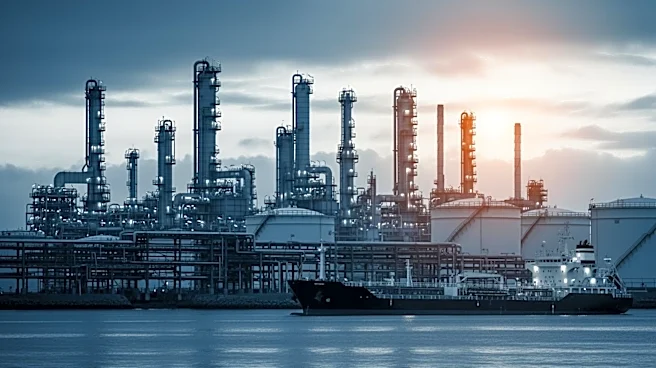
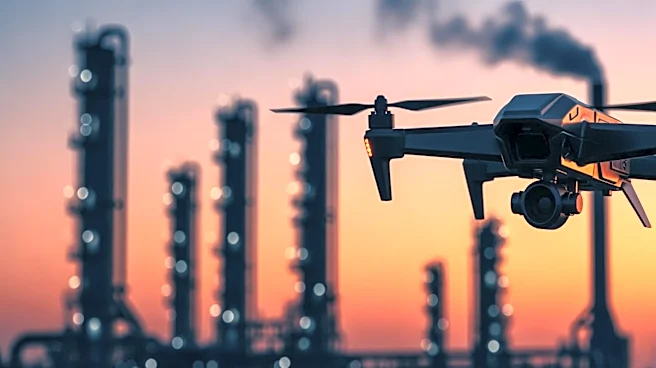
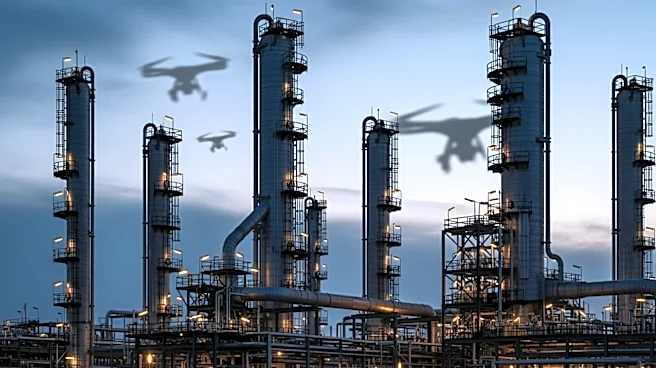
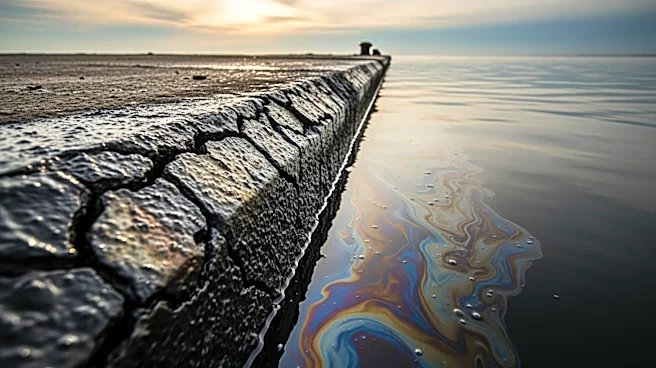
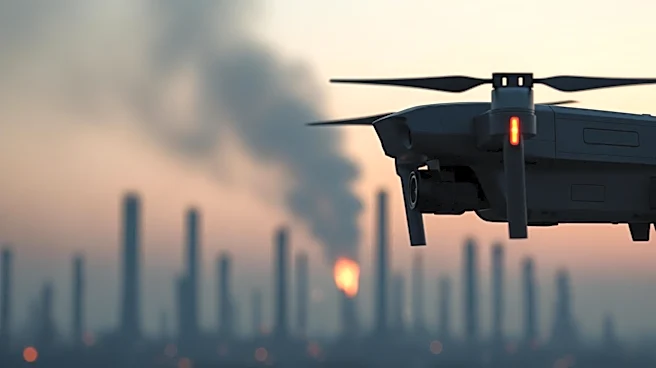
Ukrainian drones have targeted Russia's Black Sea port of Tuapse for the fourth time in 16 days, exacerbating an environmental disaster. The attacks have resulted in toxic black smoke clouds and oil slicks along the coastline, damaging the beaches of the resort
town. The Ukrainian SBU security service confirmed the strikes on the port and refinery, which are crucial for Russian oil exports. President Volodymyr Zelenskiy stated that these operations aim to disrupt Russia's energy industry, reportedly reducing Russian energy revenues by $7 billion since the start of the year. Local Russian officials are engaged in efforts to extinguish fires and manage the environmental fallout, while residents have been advised to stay indoors and use bottled water.
Why It's Important?
The ongoing drone strikes by Ukraine on Russian infrastructure highlight the strategic use of technology in modern warfare. By targeting key energy sites, Ukraine aims to weaken Russia's economic capabilities, which are vital for financing its military operations. The environmental impact of these attacks poses significant challenges for local communities, potentially affecting public health and the regional economy. The situation underscores the broader geopolitical tensions and the complex interplay between military strategy and environmental consequences.
What's Next?
As the conflict continues, further drone strikes and retaliatory actions are likely, potentially leading to increased environmental and economic damage. The international community may face pressure to address the environmental crisis and its implications for regional stability. Russia's response to these attacks could involve heightened security measures and diplomatic efforts to mitigate the impact on its energy exports.
Beyond the Headlines
The environmental damage caused by the drone strikes raises ethical questions about the use of military tactics that result in long-term ecological harm. The situation also highlights the vulnerability of critical infrastructure to modern warfare techniques, prompting discussions on the need for enhanced protective measures and international regulations to prevent environmental disasters in conflict zones.