





What's Happening?
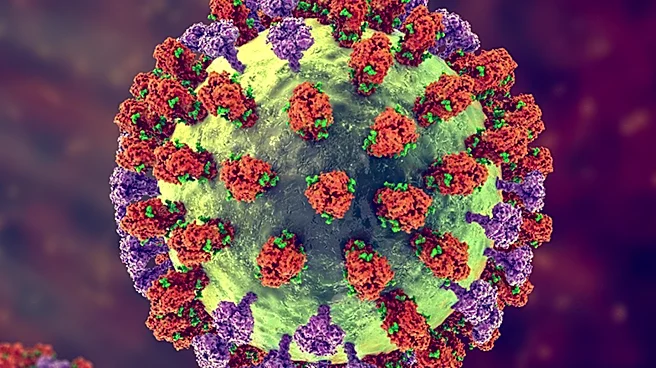
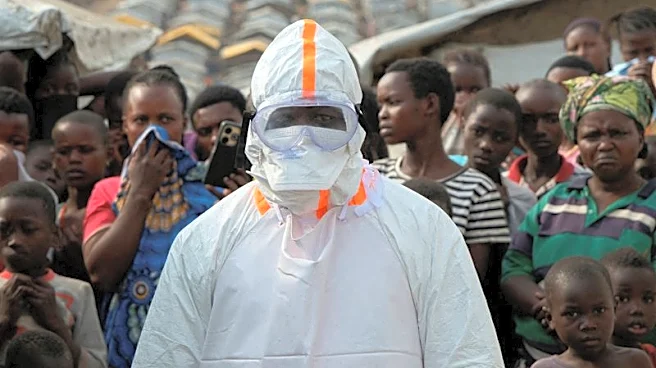
The Democratic Republic of the Congo (DRC) is experiencing a severe Ebola outbreak, with over 1,500 deaths reported as of the latest government figures. The outbreak, which began in the northeastern province of Ituri, has spread to several other provinces,
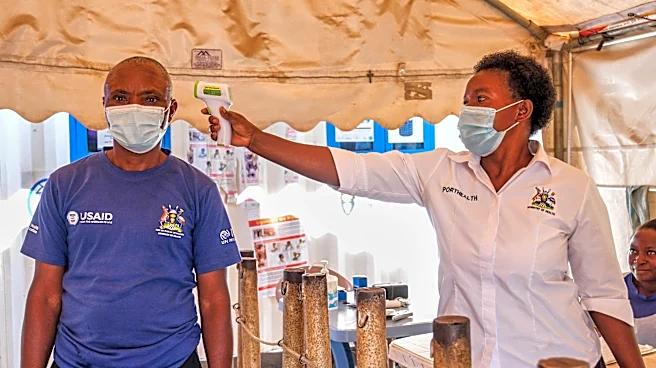
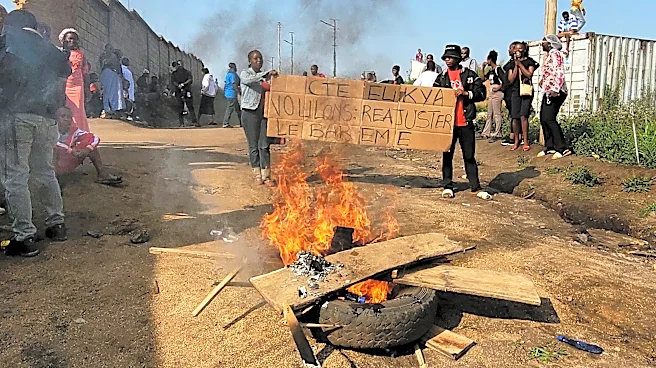
including North Kivu, South Kivu, Haut-Uele, and Tshopo. Health officials have recorded at least 3,442 cases, with 797 individuals currently hospitalized or in isolation. The World Health Organization (WHO) has indicated that the contact tracing rate is at 78.3%, which is below the necessary 90-95% needed to contain the outbreak. The response efforts are hindered by a shortage of epidemiologists and essential equipment, as well as community mistrust and insecurity due to armed conflict. Meanwhile, Uganda has declared its Ebola outbreak over, with most cases there being travel-related.
Why It's Important?
The ongoing Ebola outbreak in the DRC poses significant public health challenges, not only for the country but also for the broader region. The DRC's struggle to contain the virus highlights the critical need for international support and resources, including trained personnel and medical supplies. The outbreak's persistence could lead to further regional spread, impacting neighboring countries and potentially leading to international health emergencies. The situation underscores the importance of global health security and the need for robust systems to manage and contain infectious diseases. The economic and social impacts are also profound, as the outbreak disrupts local economies and strains already limited healthcare resources.
What's Next?
Efforts to control the outbreak will require increased international cooperation and support. The DRC government, along with international health organizations, must enhance contact tracing and community engagement to improve containment. Additional resources, including more epidemiologists and medical supplies, are crucial. The international community may need to step up funding and logistical support to prevent further spread. Monitoring and preparedness in neighboring countries will also be essential to prevent cross-border transmission. The situation calls for a coordinated response to address both the immediate health crisis and the underlying issues of healthcare infrastructure and community trust.