





What's Happening?
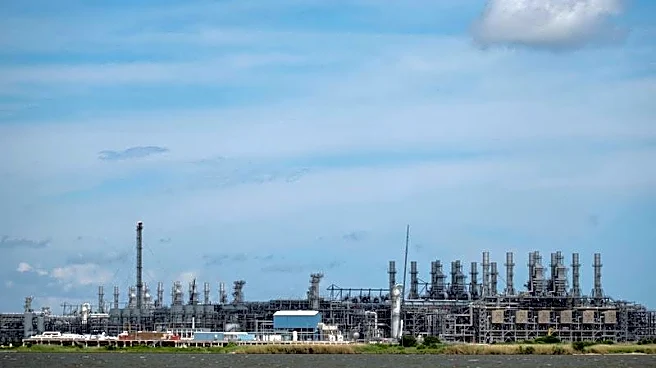
Egypt has raised natural gas prices for major industries as part of reforms under an International Monetary Fund (IMF) program. The new prices, effective in May, target energy-intensive sectors like cement, iron, steel, fertilizers, and petrochemicals.
This move is part of Egypt's shift from a gas exporter to an importer due to declining output. The country faces rising import costs and currency devaluations, which have increased the cost of dollar-denominated energy imports. The price hike aims to reduce energy subsidies and align with market-based pricing, impacting production costs in key sectors.
Why It's Important?
The increase in gas prices is significant for Egypt's industrial sectors, potentially raising production costs and affecting economic activities. Cement and steel producers may pass on higher costs, slowing construction activities. Fertilizer producers, crucial to agriculture, could see price increases affecting food supply chains and inflation. The reforms are part of Egypt's broader economic strategy to stabilize public finances and foreign reserves amid geopolitical tensions and energy supply challenges. The changes reflect a shift towards sustainable energy pricing, impacting domestic industries and economic stability.