



What's Happening?
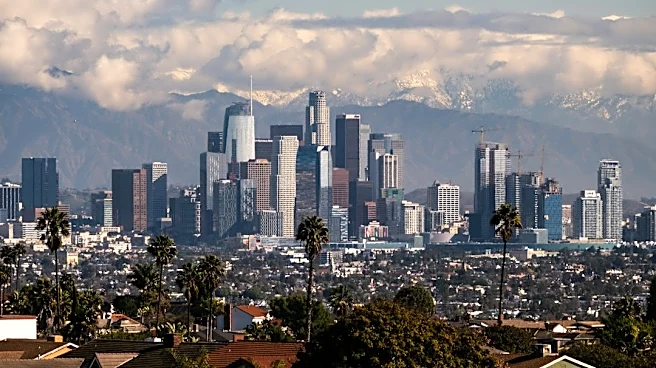
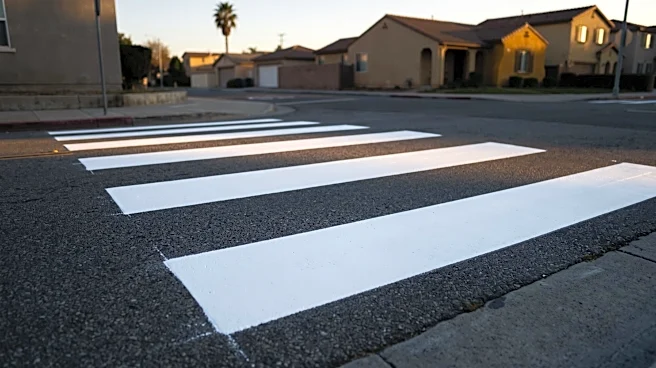
In South Los Angeles, a group of volunteers, led by Jonathan Hale, founder of People's Vision Zero, painted a memorial crosswalk at the intersection of W. 60th Street and 10th Avenue in the Hyde Park neighborhood. This action follows the death of 16-year-old
Hernan Martinez, who was killed by a hit-and-run driver at the location last Tuesday night while walking with his mother and sister. Hale stated that the volunteers proceeded with painting the crosswalk due to the perceived failure of LA City Council members to take immediate action. Neighbors have long reported the intersection as dangerous, citing frequent speeding and ignored stop signs. Hale had previously contacted the council office, offering to delay the crosswalk painting if the city committed to installing physical infrastructure by the end of the year. He also requested that Council President Marqueece Harris-Dawson urge Mayor Karen Bass to declare a city state of emergency on traffic violence. According to CBS LA, Harris-Dawson's office acknowledged the issues at the intersection and is exploring solutions to enhance public safety and reduce speeding.
Why It's Important?
This volunteer initiative highlights a growing trend of community-led efforts to address public safety concerns when official governmental responses are perceived as insufficient or slow. The incident underscores the critical issue of traffic violence in urban areas, particularly its disproportionate impact on vulnerable populations like pedestrians. The community's direct action, while symbolic, serves as a powerful statement about the urgency of road safety and the demand for more responsive local governance. It also brings to light the challenges faced by city councils in addressing long-standing infrastructure and behavioral issues that contribute to dangerous road conditions. The call for a city-wide state of emergency on traffic violence suggests a recognition of the systemic nature of the problem, indicating that isolated interventions may not be enough to create lasting change. This event could galvanize other communities facing similar dangers to take direct action or increase pressure on their local representatives for more immediate and effective solutions.
What's Next?
The immediate next steps will likely involve continued monitoring of the intersection by both the community and city officials. Harris-Dawson's office has indicated they are looking into ways to slow drivers down and improve safety, which could lead to the implementation of new traffic calming measures or infrastructure changes. The People's Vision Zero group may continue its advocacy, potentially organizing further actions or campaigns to push for the declaration of a city state of emergency on traffic violence, as requested by Hale. This incident could also prompt broader discussions within the LA City Council and Mayor's office regarding the effectiveness and speed of their responses to community safety concerns, particularly in high-risk areas. The visibility of the volunteer-painted crosswalk may serve as a constant reminder and a point of pressure for official action, potentially influencing future policy decisions related to pedestrian safety and traffic enforcement in Los Angeles.
Beyond the Headlines
This event transcends a simple traffic safety issue, touching upon themes of civic engagement, governmental accountability, and the power of community action in the face of perceived bureaucratic inertia. The volunteers' decision to paint the crosswalk themselves, rather than waiting for official channels, reflects a broader societal shift where citizens are increasingly taking direct action to address local problems. It raises questions about the social contract between citizens and their local government: when does community self-help become necessary, and what does that imply about the responsiveness of public services? Furthermore, the incident highlights the emotional and psychological toll of traffic violence on communities, where a single tragedy can mobilize collective grief into tangible action. This act of painting a crosswalk, while seemingly small, is a profound expression of collective agency and a demand for a safer, more humane urban environment, potentially inspiring similar grassroots movements in other cities grappling with similar challenges.