







What's Happening?
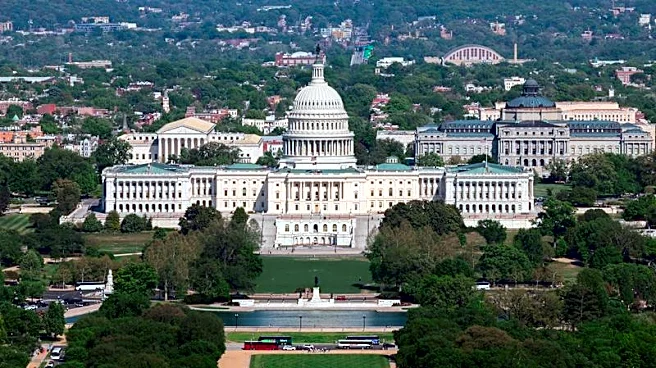
The U.S. House of Representatives has passed a bill to fund the Department of Homeland Security (DHS) without allocating funds for Immigration Customs Enforcement (ICE). This decision reflects ongoing debates and differing perspectives on immigration
enforcement and the role of ICE within the broader framework of national security. The bill's passage indicates a shift in legislative priorities, focusing on other aspects of homeland security while excluding specific funding for ICE.
Why It's Important?
The exclusion of ICE funding in the DHS bill is a pivotal moment in U.S. immigration policy, highlighting the contentious nature of immigration enforcement. This decision may influence future legislative actions and debates regarding immigration reform and the allocation of resources within DHS. Stakeholders, including lawmakers, advocacy groups, and communities affected by immigration policies, will be closely monitoring the implications of this funding decision, which could lead to changes in enforcement practices and priorities.
What's Next?
The bill's passage sets the stage for further discussions and potential negotiations in the Senate, where differing views on immigration enforcement may lead to amendments or alternative proposals. The outcome of these discussions will be crucial in determining the final structure of DHS funding and the role of ICE. Political leaders and advocacy groups are likely to engage in lobbying efforts to influence the Senate's decision, aiming to align the bill with their respective positions on immigration policy.