



What's Happening?
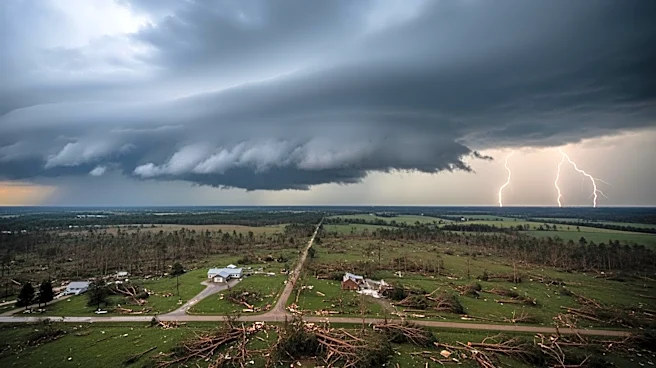
Hawaii state lawmakers are urging government agencies to enhance communication strategies during natural disasters. This call to action follows the recent Kona low storms, which exposed gaps in the current communication systems. Representatives from various
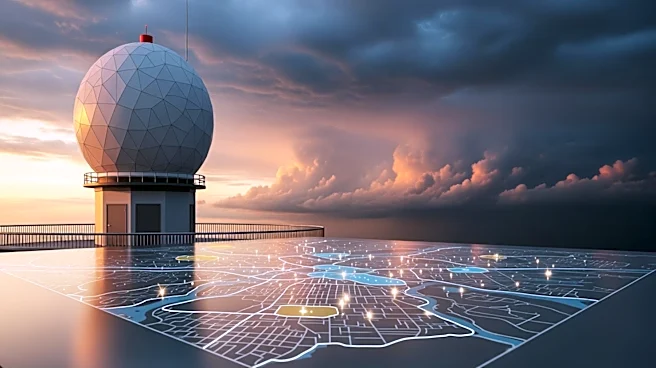
agencies, including the Hawaii Emergency Management Agency and the National Weather Service, discussed the need for both high-tech solutions like drones and AI, and improved human-to-human communication. Lawmakers emphasized the importance of immediate, low-tech improvements to ensure effective public communication during emergencies.
Why It's Important?
Effective communication during natural disasters is crucial for public safety and efficient emergency response. The recent storms highlighted deficiencies in Hawaii's current systems, where residents reported difficulties in reaching first responders. Improving communication can enhance community resilience, ensuring that residents receive timely warnings and instructions. This initiative is particularly important in the context of increasing climate-related events, where rapid and clear communication can significantly mitigate risks and save lives.
What's Next?
Agencies are expected to explore both technological and procedural improvements to their communication systems. This may include investing in better equipment and software for disaster prediction and response, as well as increasing public outreach to educate communities on emergency preparedness. The discussions may lead to policy changes and increased funding for emergency management infrastructure, aiming to build a more resilient response framework for future disasters.