





What's Happening?
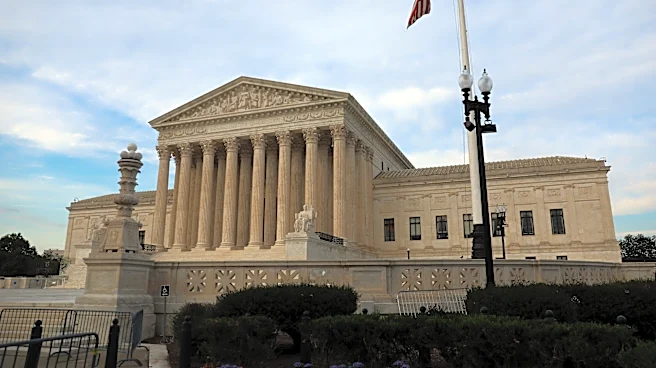
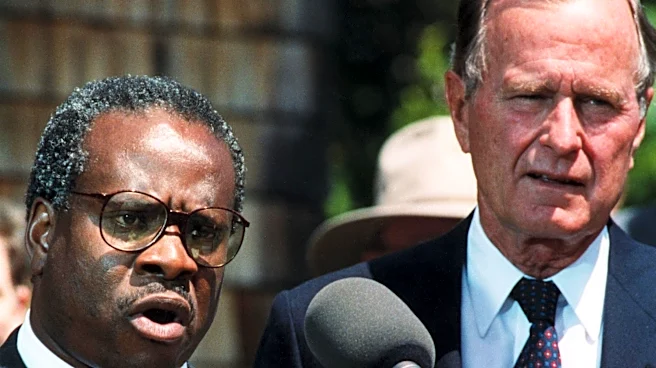
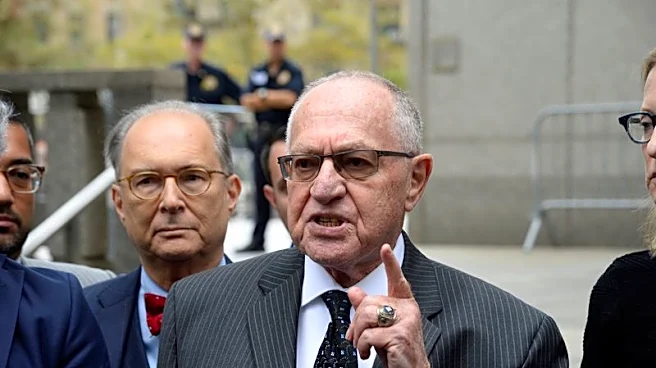
The Supreme Court has declined to hear Alan Dershowitz's appeal in a defamation case against CNN, thereby upholding a landmark decision that protects press freedom. Dershowitz, a Harvard Law School professor emeritus, claimed that CNN defamed him during
his defense of President Trump in the 2020 impeachment trial. The case centered on the 1964 New York Times v. Sullivan ruling, which requires public figures to prove 'actual malice' in defamation cases. Dershowitz argued that CNN misrepresented his comments on impeachable offenses, but the 11th U.S. Circuit Court of Appeals found no evidence of malice. The Supreme Court's refusal to hear the case leaves the Sullivan standard intact, despite dissent from Justices Clarence Thomas and Neil Gorsuch.
Why It's Important?
This decision reinforces the legal protections for media organizations when reporting on public figures, maintaining a high bar for defamation claims. The ruling is significant for the media industry, as overturning the Sullivan standard could have exposed news outlets to increased litigation risks from public figures. The decision underscores the importance of press freedom in a democratic society, allowing journalists to report on public officials without fear of retribution. For public figures, the ruling means that proving defamation remains challenging, requiring clear evidence of malicious intent. This outcome is crucial for preserving the balance between protecting reputations and ensuring robust public discourse.