








What's Happening?
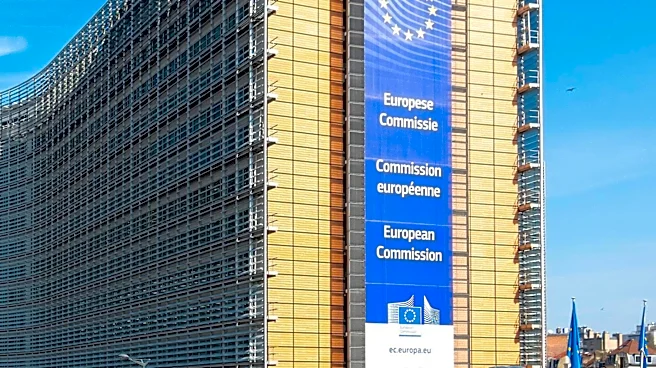
The European Union is actively funding research and innovation through its Horizon Europe program to accelerate the development of next-generation vaccines against Plasmodium vivax malaria. This initiative, detailed on the EU Funding & Tenders Portal,
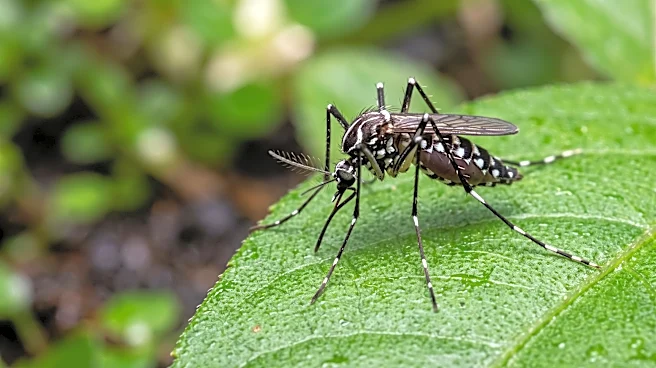
highlights the severity of P. vivax, which affects 2.5 billion people across South America, Oceania, and Asia. The program, specifically under the topic HORIZON-HLTH-2022-DISEASE-06-03-two-stage, aims to achieve a 75% vaccine efficacy over two years, aligning with the revised Malaria Vaccine Technology Roadmap to 2030. Key participants include STICHTING RADBOUD UNIVERSITAIR MEDISCH CENTRUM from the Netherlands, serving as the coordinator, and INSTITUT NATIONAL DE LA SANTE ET DE LA RECHERCHE MEDICALE from France. The project, named OptiViVax, will integrate multidisciplinary scientific and clinical approaches, leveraging recent breakthroughs in P. vivax vaccine research, including new transgenic parasite technologies and a safe parasite clone for controlled human malaria infection (CHMI) clinical models.
Why It's Important?
This EU-led funding initiative is crucial for global health, particularly for regions heavily impacted by P. vivax malaria. The ambitious goal of 75% vaccine efficacy over two years could significantly reduce the disease burden and save countless lives, especially in vulnerable populations in South America, Oceania, and Asia. The focus on innovative approaches and next-generation vaccines addresses the urgent need for more effective interventions beyond existing treatments. By diversifying the portfolio of new antigens and improving manufacturing processes, the program aims to create a more robust and accessible vaccine supply. The involvement of leading research institutions from the Netherlands and France underscores a collaborative international effort to tackle a major public health challenge, potentially setting new standards for vaccine development and global health partnerships.
What's Next?
The OptiViVax project will proceed with integrating ambitious multidisciplinary scientific and clinical approaches, utilizing increased knowledge of P. vivax immuno-biology to further develop next-generation vaccines. The immediate next steps involve diversifying the portfolio of new antigens ready for clinical testing through reverse vaccinology and exploring new delivery platforms and adjuvants. These will be developed using sustainable and improved GMP bio-manufacturing know-how. Concurrently, the efficacy of known leading antigens will be benchmarked for the first time using innovative clinical study designs. The long-term goal is to achieve the 75% efficacy target outlined in the Malaria Vaccine Technology Roadmap to 2030, which will involve extensive clinical trials and regulatory approvals before widespread deployment.
Beyond the Headlines
The EU's investment in malaria vaccine research through Horizon Europe highlights a broader commitment to addressing neglected tropical diseases and strengthening global health security. This initiative could foster significant advancements in vaccine technology, potentially leading to new methodologies applicable to other infectious diseases. The emphasis on sustainable and improved GMP bio-manufacturing also points to a strategic effort to enhance pharmaceutical production capabilities within Europe, reducing reliance on external supply chains and ensuring equitable access to future vaccines. Furthermore, the collaborative nature of the project, involving multiple European research institutions, could serve as a model for international scientific cooperation in tackling complex health challenges, promoting knowledge sharing and accelerating scientific progress on a global scale.