





What's Happening?
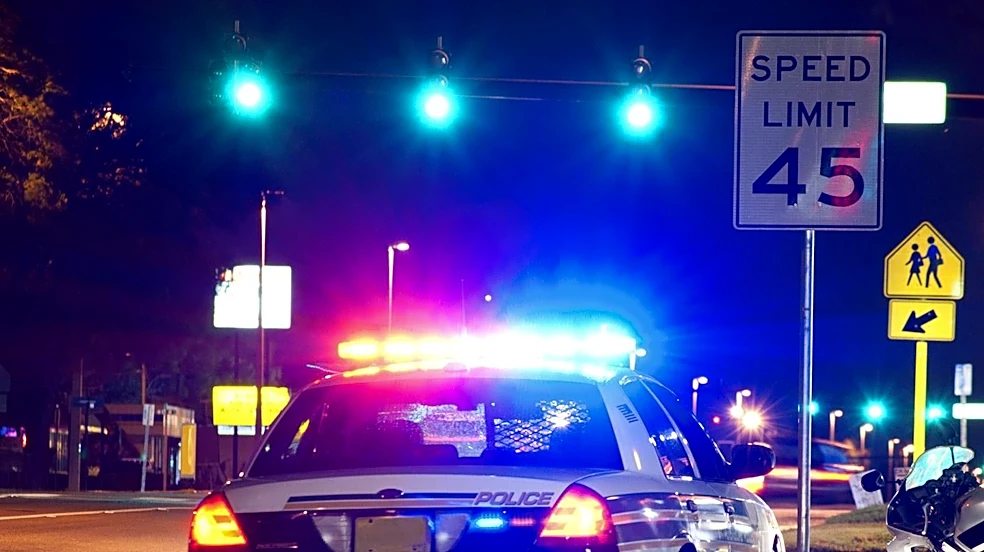
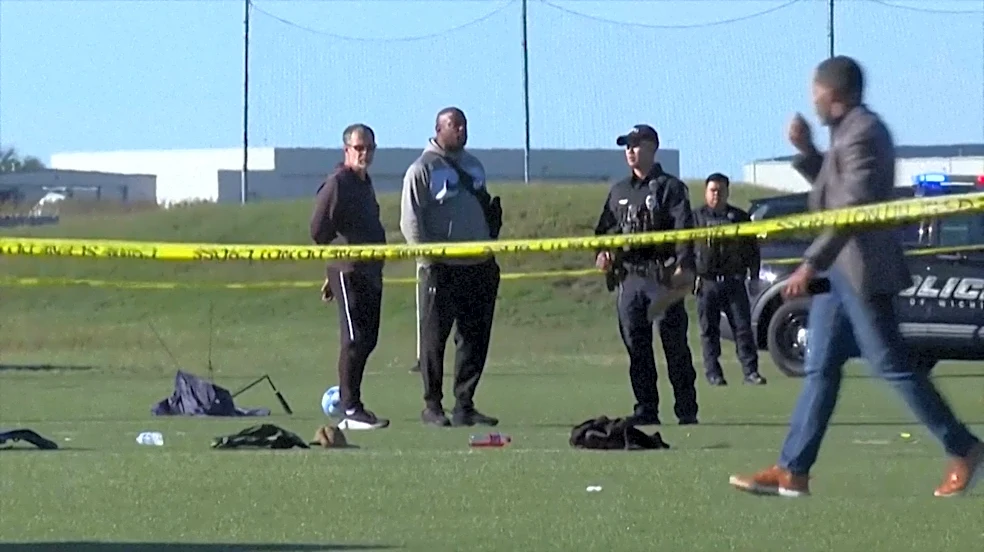
Albuquerque police have addressed and corrected widespread misinformation circulating on social media regarding the discovery of a fetus downtown. On October 16, a man walking his dog near First Street and Copper Avenue found a nonviable fetus, prompting
a police investigation. This incident quickly led to a viral video and numerous social media posts falsely claiming that a baby had been abandoned and died. The Albuquerque Police Department (APD), in coordination with the Office of the Medical Investigator, determined that the fetus was in the early stages of development and nonviable. Investigators concluded that the woman involved experienced a natural miscarriage and was unaware of her pregnancy. She received medical treatment and will not face any charges. APD spokesperson Rebecca Atkins urged the public and media to rely on official updates and refrain from sharing unverified information, emphasizing that the online narrative did not align with the facts uncovered by the investigation.
Why It's Important?
This incident highlights the significant challenge law enforcement agencies face in combating the rapid spread of misinformation on social media. The viral video, which garnered tens of thousands of views and was cited by news media influencers, created a false narrative that led to public outrage and misdirected speculation. Such situations can erode public trust in official channels, create unnecessary distress for individuals involved, and divert police resources to address rumors rather than actual criminal investigations. The case underscores the critical need for individuals and media outlets to verify information before sharing it, especially concerning sensitive and emotionally charged events. The APD's proactive debunking of the misinformation is crucial for maintaining factual accuracy and preventing further harm from unsubstantiated claims.
What's Next?
Albuquerque police consider the case resolved as a medical event, with no charges expected and no further personal details to be released to protect the woman's privacy. The department will likely continue to monitor social media for similar instances of misinformation and may reinforce public advisories about responsible information sharing. This event could prompt further discussions within law enforcement agencies about strategies for more effectively and rapidly countering false narratives that emerge online. It also serves as a reminder for the public to exercise caution and critical thinking when encountering unverified content on social media, particularly during sensitive situations that involve ongoing investigations or personal tragedies.
Beyond the Headlines
The Albuquerque incident reflects a broader societal issue where the speed and reach of social media often outpace the careful, evidence-based processes of official investigations. This creates an environment where initial, often inaccurate, narratives can become deeply entrenched in public perception before facts are fully established. The ethical implications for content creators and consumers on social media are significant, as the amplification of unverified claims can lead to public shaming, misjudgment, and undue pressure on individuals and institutions. This case also touches upon the delicate balance between public interest in information and the privacy and dignity of individuals involved in sensitive medical or personal events, emphasizing the need for responsible reporting and public discourse.