






What's Happening?
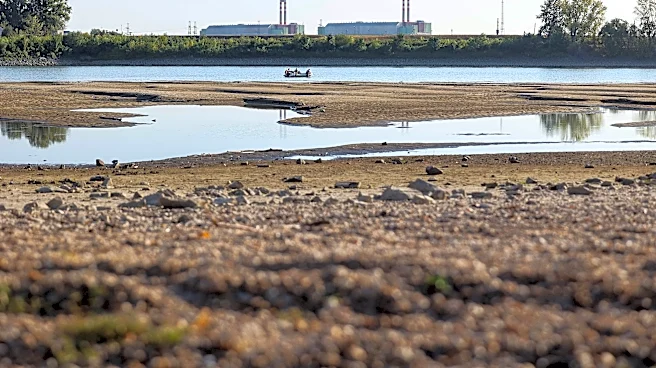
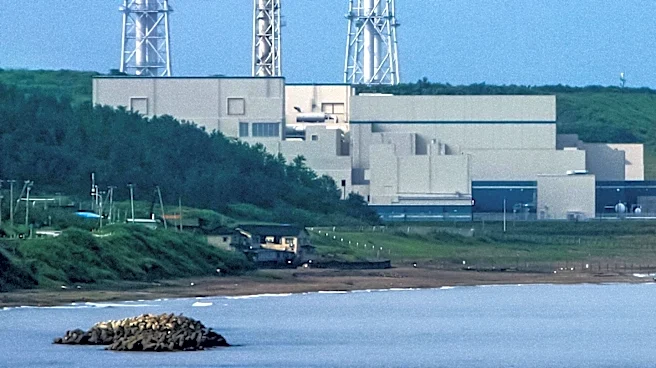
Hungary has announced the shutdown of its only nuclear power plant, the Paks Nuclear Power Plant, due to record-low water levels in the Danube River, which is essential for cooling the plant's reactors. Prime Minister Peter Magyar stated that the plant, which provides
nearly half of Hungary's electricity, will be powered down for the first time in its 44-year history. The low water levels have severely impacted the plant's ability to draw cooling water, leading to a significant reduction in output.
Why It's Important?
The shutdown of the Paks Nuclear Power Plant highlights the vulnerability of energy infrastructure to climate-related events, such as droughts. This development could lead to an energy crisis in Hungary, affecting electricity supply and potentially increasing energy costs. The situation underscores the broader challenges faced by countries in ensuring energy security amid changing climate conditions. It also raises concerns about the reliance on nuclear power and the need for diversified energy sources.
Beyond the Headlines
The shutdown reflects the broader impact of climate change on critical infrastructure and the need for adaptive strategies to mitigate such risks. It also emphasizes the importance of international cooperation in addressing transboundary water management issues, as the Danube River flows through multiple countries. The situation may prompt discussions on the future of nuclear energy in Europe and the need for sustainable energy solutions.