



What's Happening?
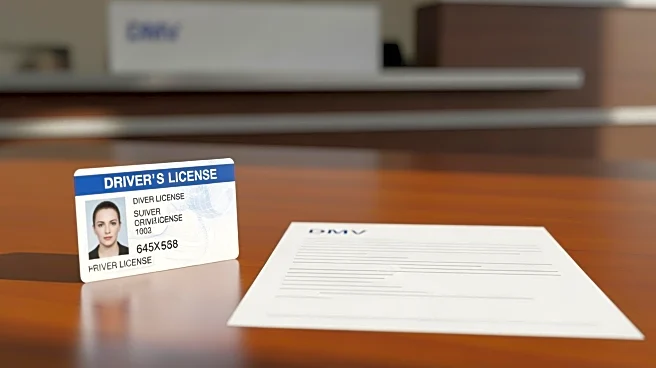
Florida has implemented a new law requiring all driver's license examinations to be conducted exclusively in English. Previously, tests were available in multiple languages, including Spanish and Haitian Creole. This change has been criticized by advocacy
groups, such as the ACLU of Florida, for creating barriers for non-English speaking residents, particularly affecting immigrant communities and Puerto Ricans. The law eliminates translation services and printed exams in other languages, which critics argue will disproportionately impact those with limited English proficiency, making it harder for them to access essential services and participate fully in daily life.
Why It's Important?
The decision to offer driving tests only in English has significant implications for Florida's diverse population, where 30% of households speak a non-English language. This policy could limit access to essential services, such as employment and healthcare, for non-English speakers, exacerbating social and economic inequalities. It also raises concerns about inclusivity and the state's commitment to serving all its residents. The law may lead to increased unlicensed driving, as individuals may drive without a license out of necessity, potentially increasing legal and safety risks. This move reflects broader national debates on language policies and immigrant rights.