






What's Happening?
Oil prices experienced volatility following a series of U.S. military strikes against Iran. The U.S. launched these strikes in retaliation for Iranian missile attacks on American forces in the Middle East. In response, Iran's Islamic Revolutionary Guard
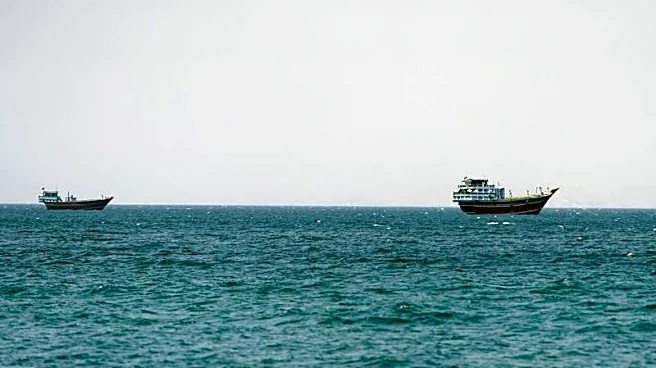
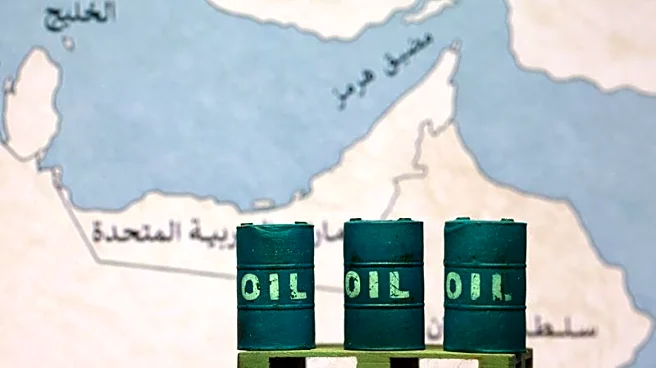
Corps has threatened further escalation. Despite the tensions, oil prices fell, with Brent crude futures dropping by 2% to $88.93 per barrel and U.S. West Texas Intermediate futures decreasing by 1.6% to $83.09. The conflict has disrupted oil markets and shipping through the Strait of Hormuz, a critical passage for global oil supplies. The U.S. Central Command described the strikes as a 'powerful response' to Iranian aggression, targeting various military facilities across Iran. The situation remains tense as traders anticipate the upcoming OPEC+ meeting, where a potential supply increase is expected to be announced.
Why It's Important?
The ongoing conflict between the U.S. and Iran has significant implications for global oil markets and geopolitical stability. The Strait of Hormuz is a vital chokepoint for oil transportation, and any disruption can lead to increased oil prices and economic instability worldwide. The U.S. strikes and Iran's potential retaliation could further escalate tensions, affecting not only oil prices but also international relations and security in the region. The situation underscores the fragility of global energy supplies and the potential for geopolitical conflicts to impact economic conditions. Stakeholders in the energy sector, including governments and businesses, must navigate these uncertainties, which could lead to shifts in energy policies and strategies.
What's Next?
The upcoming OPEC+ meeting is a critical event, as the group is expected to discuss a potential increase in oil supply. This decision could influence global oil prices and market stability. Additionally, the international community will be closely monitoring the U.S.-Iran conflict for any further developments that could impact regional and global security. Diplomatic efforts may be pursued to de-escalate tensions, but the risk of further military actions remains. Businesses and governments will need to prepare for potential disruptions in oil supplies and consider alternative strategies to mitigate risks associated with the conflict.