







What's Happening?
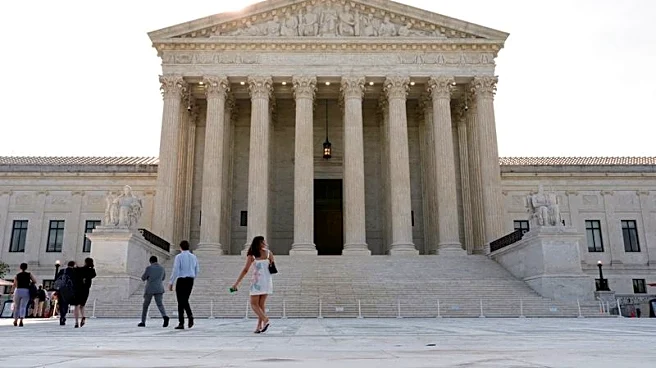
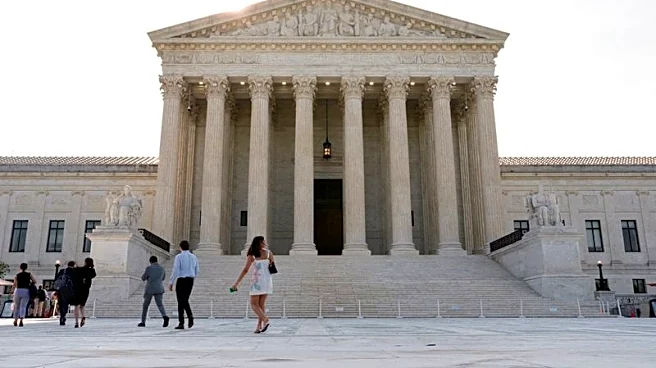
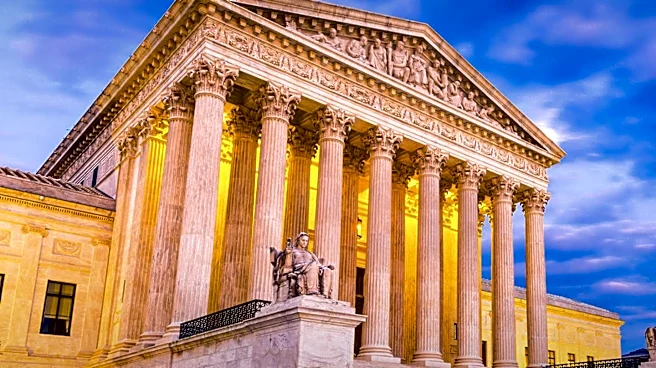
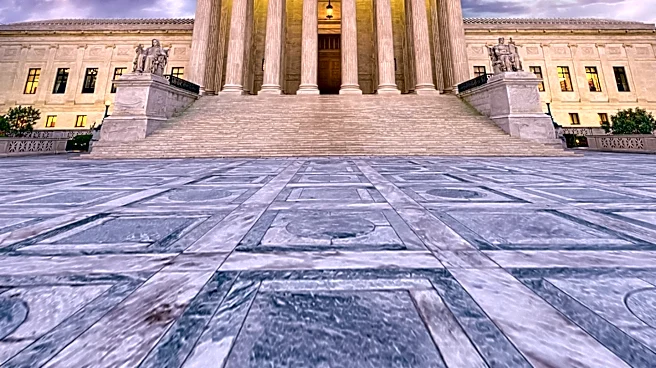
The Supreme Court has temporarily blocked President Trump's effort to remove Shira Perlmutter, the director of the US Copyright Office, from her position at the Library of Congress. This decision allows Perlmutter to remain in her role while lower courts
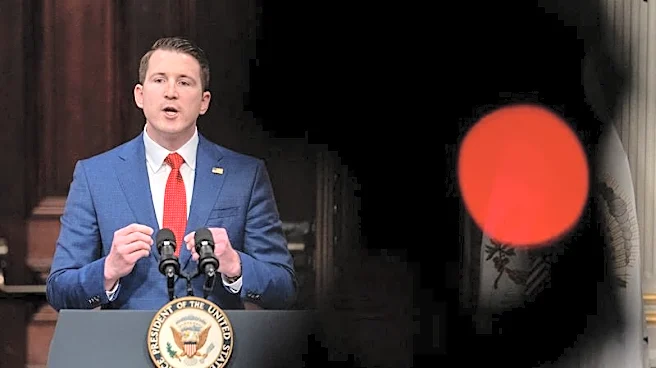
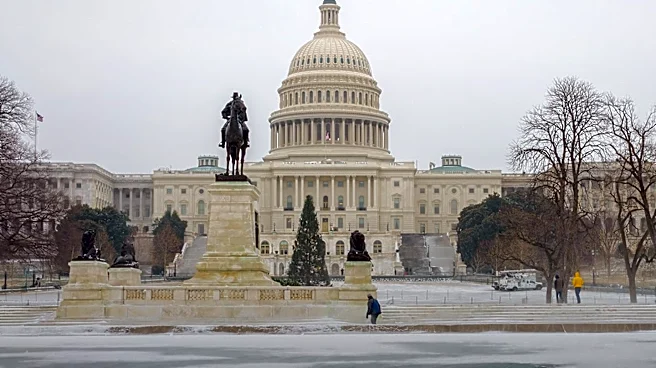
review the case. The conflict began when President Trump attempted to replace the former Librarian of Congress, Carla Hayden, and subsequently sought to dismiss Perlmutter. The Supreme Court's recent rulings on presidential power, which granted the president broad authority to remove executive branch leaders, do not apply to Perlmutter's case as her position is argued to be part of the legislative branch. The DC Circuit Court of Appeals previously ruled that only a Senate-confirmed Librarian of Congress can remove the register of copyrights, not the president. This case highlights the ongoing debate over the separation of powers and the extent of presidential authority.
Why It's Important?
This case underscores the ongoing tension between the executive and legislative branches regarding the separation of powers. The Supreme Court's decision to allow Perlmutter to remain in her position highlights the complexities of presidential authority, especially concerning roles that straddle the executive and legislative branches. The outcome of this case could set a precedent for how similar positions are treated in the future, potentially affecting the balance of power between the branches of government. It also raises questions about the independence of officials who perform duties that involve both legislative and executive functions, such as international diplomacy related to copyright issues. The decision could impact how future administrations approach the appointment and removal of officials in similar roles.
What's Next?
The case will continue to be reviewed by lower courts, which will further examine the legal arguments surrounding the separation of powers and the specific role of the US Copyright Office within the Library of Congress. The outcome could influence future legislative and executive interactions, particularly regarding the appointment and removal of officials in positions that involve both branches. Stakeholders, including political leaders and legal experts, will likely continue to debate the implications of this case for the broader understanding of presidential power and the independence of legislative branch officials.