



What's Happening?
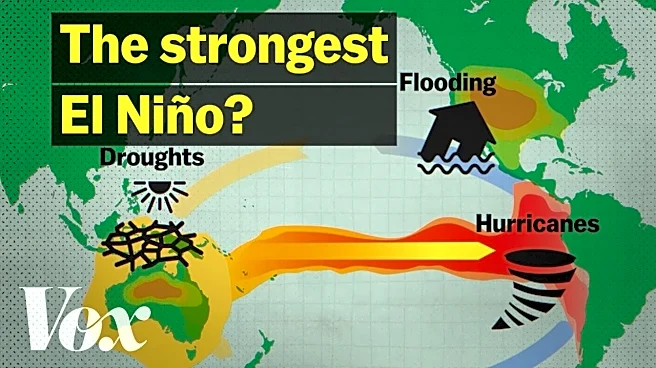
The World Meteorological Organization (WMO) and the United Nations (UN) have issued warnings about the intensifying El Niño phenomenon, which is expected to bring significant changes in global weather patterns. According to the WMO, El Niño is developing
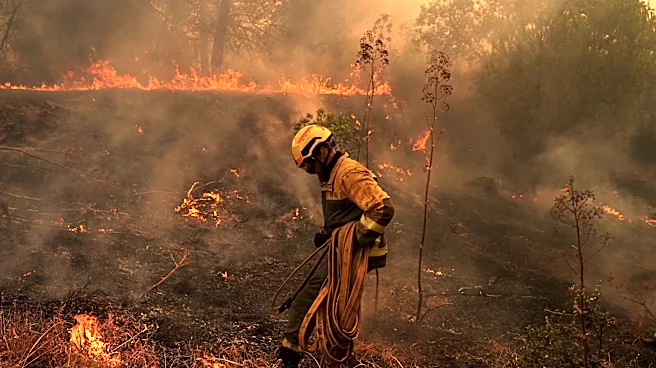
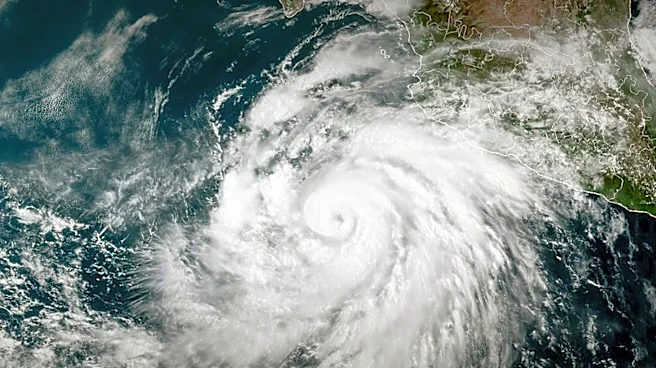
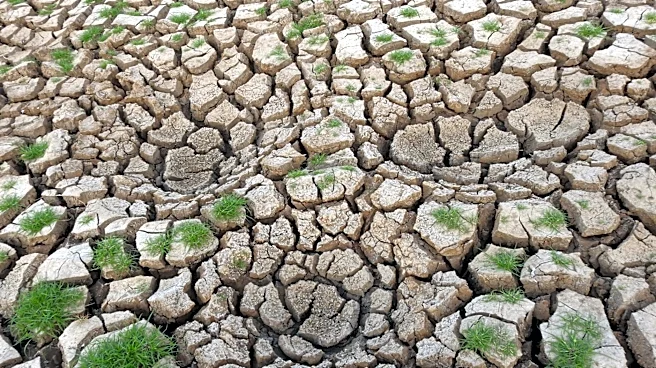
amidst unprecedented ocean heat and rising global temperatures, with forecasts indicating that it will intensify from August. This could lead to increased drought in some regions and higher rainfall in others, alongside record-breaking heatwaves and wildfires. UN Secretary-General António Guterres emphasized the urgency of addressing the crisis, noting that fossil fuels are exacerbating the situation. The WMO is enhancing coordination and climate information services to help governments, humanitarian agencies, and vulnerable communities prepare for the potential impacts.
Why It's Important?
The intensification of El Niño is significant as it could exacerbate existing climate challenges, affecting agriculture, health, and vulnerable communities worldwide. The phenomenon is expected to lead to extreme weather events, such as heatwaves and heavy rainfall, which could disrupt food production and water supply, impacting economies and societies globally. The warnings from the UN and WMO highlight the need for urgent action to mitigate the effects of climate change and reduce reliance on fossil fuels. The situation underscores the importance of early warning systems and climate information services to help communities prepare and adapt to changing conditions.
What's Next?
Governments and organizations are expected to increase efforts to prepare for the impacts of El Niño. This includes enhancing early warning systems, improving climate information dissemination, and implementing measures to protect vulnerable communities. The UN and WMO are likely to continue advocating for global cooperation in addressing climate change and reducing fossil fuel consumption. As El Niño intensifies, stakeholders will need to monitor its development closely and adapt strategies to mitigate its effects on agriculture, water resources, and public health.