





What's Happening?
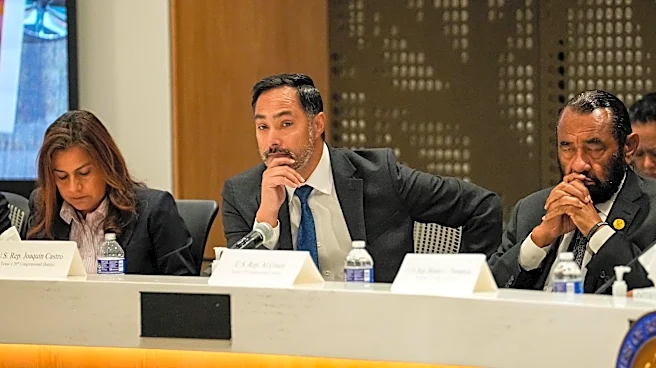
South Dakota lawmakers are engaged in a debate over a legislative memo concerning data centers, particularly regarding the costs associated with their electrical demands. Senator Steve Kolbeck, R-Brandon, an executive for Xcel Energy, criticized the 17-page
'Hyperscale Data Centers' issue memorandum, calling it 'very opinionated' and questioning the factual basis of some of its sources. Kolbeck, who cast the lone no vote against accepting the memorandum, argued that the report did not consult relevant stakeholders like electric cooperatives, investor-owned utilities, or the Public Utilities Commission. The memo, prepared by Legislative Research Council staff attorney Rachel Hale, was tasked with summarizing the effects and challenges of hyperscale data centers in other states, focusing on water and electricity. Hale defended her work, stating her sources included government publications, academic research, law review articles, and news reports, and that the assignment did not require stakeholder interviews. The memo highlights that data centers with peak electrical use of 10 megawatts or greater must cover costs associated with their power demand, including unexpected shutdowns, and bars the state from preempting local regulations.
Why It's Important?
This debate is crucial for South Dakota's energy policy and economic development, particularly concerning the burgeoning data center industry. The legislative memo and the ensuing discussion highlight the tension between attracting high-tech industries and managing their environmental and infrastructural impact. The requirement for large data centers to cover their own electrical demand costs, as outlined in Senate Bill 135, aims to prevent these expenses from being shifted to residential customers, a significant concern for public utilities and consumers. Senator Kolbeck's criticism, stemming from his utility background, underscores the industry's perspective on such regulations and the potential for differing interpretations of economic impacts. The discussion also touches upon the role of legislative research in policy-making, with some lawmakers defending the memo's neutrality while others question its scope and methodology. The outcome of this debate could influence future legislation regarding data center development, energy infrastructure investment, and the balance between state and local regulatory authority in South Dakota.
What's Next?
The Legislative Research Council's memo on data centers will likely continue to be a point of discussion among South Dakota lawmakers. While the memo itself was accepted despite Senator Kolbeck's dissent, the criticisms raised may lead to further scrutiny of future legislative research or prompt calls for more comprehensive stakeholder engagement in policy development. The existing law, Senate Bill 135, which mandates data centers to cover their power demand costs and prohibits state preemption of local regulations, will remain in effect. This means that future data center projects in South Dakota will need to adhere to these financial and regulatory requirements, potentially influencing their feasibility and location decisions. The ongoing debate also suggests that the state may continue to explore the economic and environmental impacts of data centers, possibly leading to additional legislative proposals or amendments aimed at refining existing policies or addressing new challenges as the industry evolves.
Beyond the Headlines
The controversy surrounding the data center memo in South Dakota reveals a deeper struggle within states to balance economic growth with environmental and infrastructural sustainability. As technology companies increasingly seek locations for large-scale data centers, states are grappling with how to manage their significant demands for electricity and water. The debate over who bears the cost of these demands—the companies themselves, utility providers, or ultimately, the taxpayers—is a critical ethical and economic question. Senator Kolbeck's critique, while framed around the memo's objectivity, also highlights the inherent conflict of interest that can arise when lawmakers have direct ties to industries affected by legislation. This situation underscores the importance of transparency and robust ethical guidelines in legislative processes. Furthermore, the discussion about the memo's research methodology points to the broader challenge of ensuring that policy decisions are based on comprehensive, unbiased information, especially when dealing with complex technical and economic issues. The long-term implications for South Dakota could include a precedent for how future industrial developments are regulated, potentially influencing the state's attractiveness for certain types of businesses and its commitment to environmental stewardship.