
What's Happening?
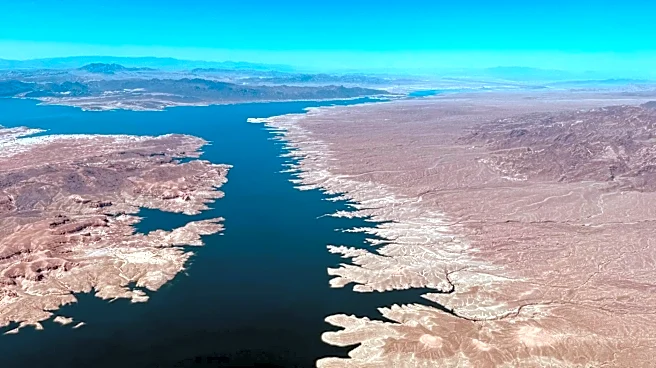
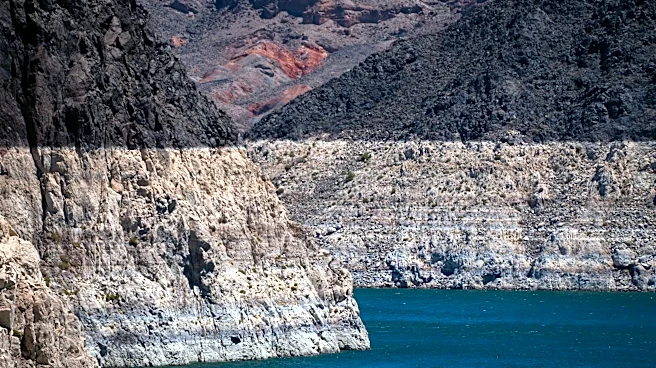
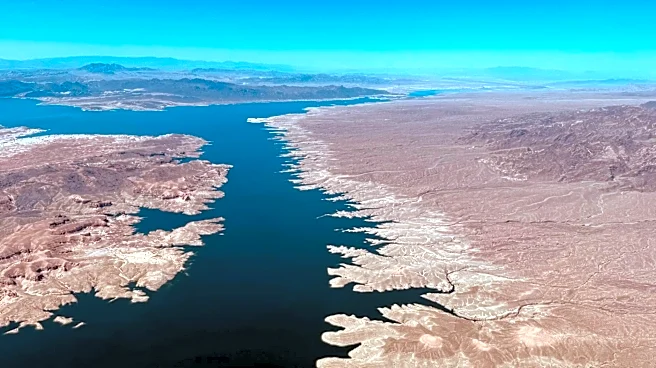
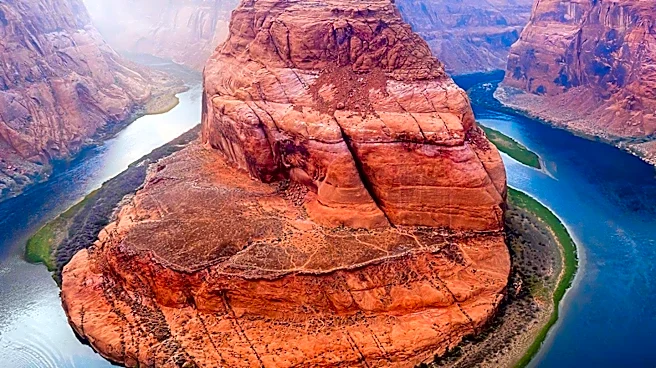
Lake Mead, the largest reservoir in the U.S., has hit its lowest water level on record, highlighting the deepening crisis of the Colorado River system. The reservoir's water level dropped to 1,040.5 feet, surpassing the previous low set in 2022. This
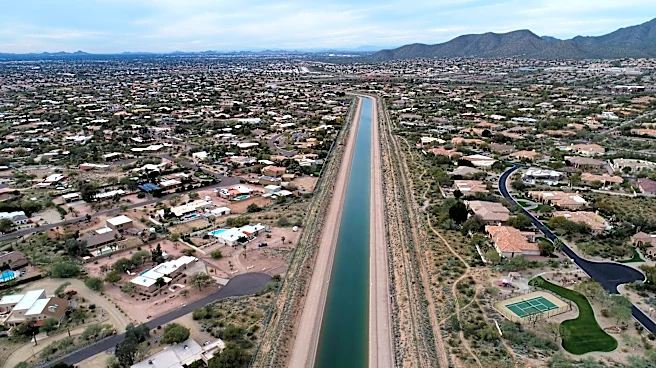
decline is part of a broader trend affecting the Colorado River Basin, which supplies water to millions and supports agriculture and power generation. The situation is exacerbated by prolonged drought and climate change, leading to increased pressure on water resources. States reliant on the river are engaged in ongoing negotiations to address water allocation challenges.
Why It's Important?
The record low water levels at Lake Mead underscore the urgent need for sustainable water management strategies in the Colorado River Basin. The reservoir is a critical water source for millions of people and plays a vital role in agriculture and energy production. The crisis highlights the impacts of climate change and overuse on water resources, necessitating collaborative efforts among states to develop long-term solutions. The situation serves as a warning of the potential consequences of inaction, emphasizing the need for immediate and coordinated responses to ensure water security and ecological balance.