


What's Happening?
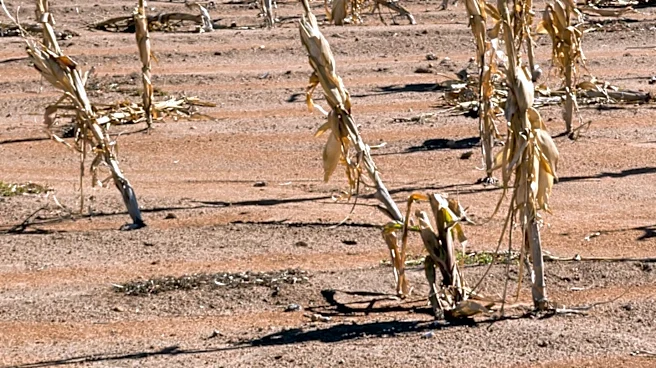
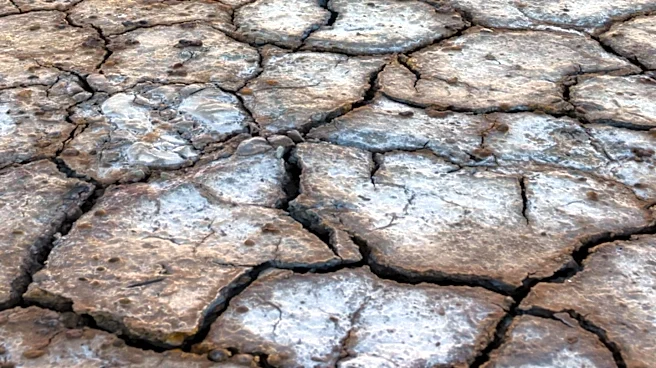
The UK is experiencing significant agricultural challenges as drought and extreme heat impact vegetable crops, leading to increased reliance on imports. Broccoli yields have halved, and the country is importing from Spain and Holland to meet demand. Carrot
production is also severely affected, with growers like Rodger Hobson reporting the worst conditions they've ever faced. The heatwave has led to early harvests and reduced yields for various crops, including peas and potatoes. Supermarkets and food manufacturers are urging the government to prioritize food security and reduce import reliance.
Why It's Important?
The agricultural crisis in the UK highlights the vulnerability of food supply chains to climate change. The reliance on imports due to domestic shortages could lead to higher food prices and increased pressure on international suppliers. This situation underscores the need for strategic planning in agriculture to mitigate the effects of extreme weather. The call for government intervention to enhance water storage and support farmers is crucial to ensure long-term food security and sustainability.
What's Next?
Farmers are advocating for government support to build reservoirs and improve water management to cope with future droughts. The situation may prompt policy changes to enhance agricultural resilience and reduce dependency on imports. The ongoing heatwave across Europe could further strain international supply chains, necessitating collaborative efforts to address climate impacts on agriculture.
Beyond the Headlines
The current agricultural challenges may accelerate the adoption of climate-resilient farming practices and technologies. There is potential for increased investment in research to develop crop varieties better suited to changing climates. The situation also raises ethical considerations about food security and the responsibility of governments to protect domestic agriculture.